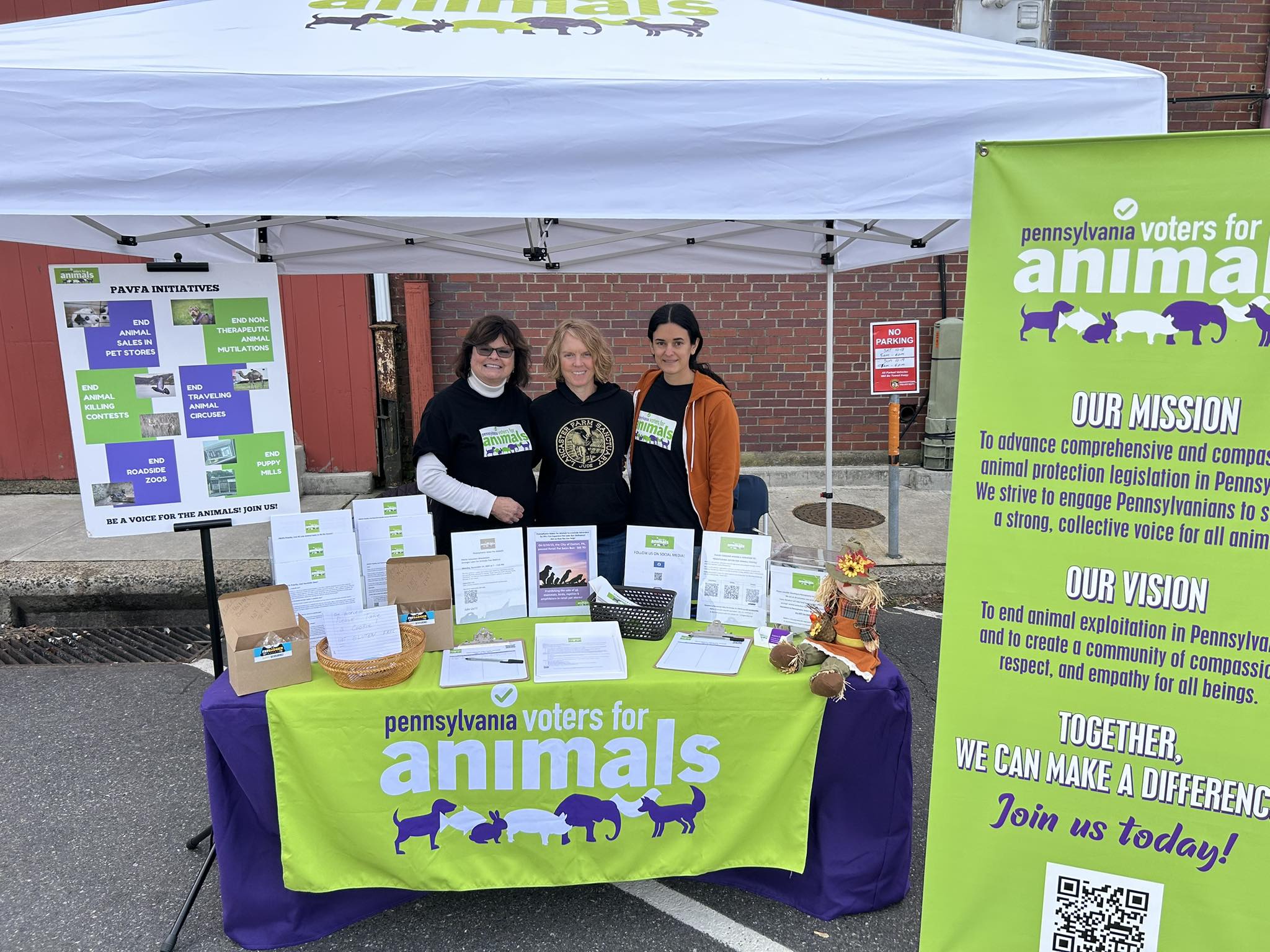
A Bucks County-based animal rights organization wants Pennsylvania to be a more humane place for animals.
Founded in 2023 in Doylestown, Pennsylvania Voters for Animals aims to advance comprehensive and compassionate animal protection legislation in Pennsylvania. It is tackling live animal sales in retail pet shops one step at a time and wants to stop live pigeon shoots.
PAVFA was founded by four women who saw the need to come together for stronger unified action and advocacy for stronger animal protection laws for all animals – not just some species.
“We believe lasting, meaningful change will take a collective citizen effort,” said Suzanne Gonzalez, PAVFA co-founder and president.
There are at least two active Pennsylvania legislative bill initiatives currently circulating in the House of Representatives: one to ban at least some animal sales and another to stop live pigeon shoots.
“People don’t buy animals thinking they’re supporting an industry that is cruel to animals, and we’re bringing attention to this and talking about it,” said Karen Winkler, PAVFA co-founder and the organization’s board treasurer. “People understand puppy mills, but they don’t understand that [pet shop] animals come from the same [type of] commercial operations.”
PAVFA aims to ban the sale of all commercially bred animals across the commonwealth, Winkler said.
Pennsylvania currently does not have a state-wide ban. That means any bans or limits on live animal retail shops come from local officials.
In September, Easton became the first city in Pennsylvania to ban the sale of most live animals. Cities like Philadelphia, Pittsburgh, Bethlehem, Doylestown and a handful of others, have banned some – if not all – live animal pet sales in retail shops.
By a 6-1 vote, Easton City Council voted to amend its ban to include everything but fish, Lehigh Valley-based WFMZ reported.
The new ban allows pet shop owners and operators to provide space to animal rescue operations to display animals for adoption, the news outlet reported.
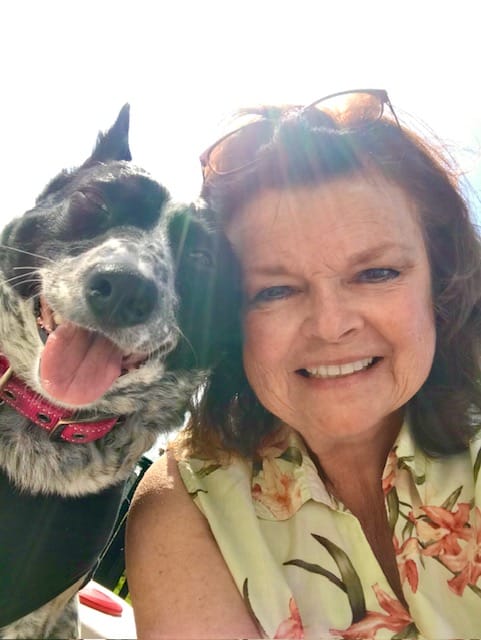
“It’s the most inclusive pet sale ban ordinance in Pennsylvania to date,” Gonzalez said.
“This is actually consumer protection as well. What people don’t realize is pet shop sales are an emotional purchase. This is a long-term commitment and many don’t realize from a cost and care perspective. They become overwhelmed and can’t afford the level of care,” Gonzalez said.
Pennsylvania House Bill 1816 prohibits the sale of dogs, cats and rabbits “regarding pet shop-kennels” and provides for duties and penalties if owners or operators fail to comply, according to the bill’s abstract.
Sponsored by Democrat Jeanne McNeill, HB 1816 is has about 30 co-sponsors, including Bucks County Republican Rep. Kathleen Tomlinson (D-16) and Democrat Perry Warren (D-31).
“By prohibiting the sale of dogs, cats and rabbits in pet shops, House Bill 1816, also known as ‘Victoria’s Law,’ aims to end the sale of puppy mill dogs, cats and rabbits,” McNeill said in an email.
The law is named in honor of a former Lancaster County breeder dog named Victoria, forced to give birth to more than 150 puppies during her decade of overbreeding and prior to her rescue, ABC 27 reported.
McNeill said the proposed legislation provides for a state dog warden and other enforcement officials who would be authorized to inspect kennels without a warrant to determine compliance.
“The penalty for violating this legislation is a minimum fine of $100 and maximum fine of $500 per day for each violation,” McNeill said.
If HB 1816 does not advance and become law, McNeill said she would introduce it again during the next legislative session.
“Many of these animals are sick, traumatized or genetically predisposed to chronic health problems. This impacts unsuspecting families who face devastating emotional and financial consequences,” McNeill explained. “This legislation will protect consumers from misleading sales tactics and sick animal sales. Furthermore, Victoria’s Law will drive the pet market toward humane sources such as shelters, rescues and responsible breeders.”
PAVFA’s goal is to increase public awareness and elect governmental candidates who are committed to “compassionate animal protection legislation” and hold current public office holders accountable.
While puppies and kittens are probably the most obvious animals coming from animal “mill” operations stocking local pet shops, rabbits, birds, reptiles, amphibians, fish and rodents like hamsters and Guinea pigs are also mass produced for commercial sales, Winkler said.
Among the larger impacts of the ban is to stop “the suffering [baby animals] undergo before the litters get to the pet shops, as well as stop inhumane treatment of breeder animals,” she said.
“The ideal legislation would be to ban all live animal sales in pet stores throughout the commonwealth. While our mission is banning all live animal sales in Pennsylvania, this would be a step in the right direction,” Winkler added.
Most people understand what a puppy mill is, though they may not understand that those same types of operations are turning out thousands of other animals for retail sales in pet shops, according to Winkler.
“The ideal legislation would be to ban all live animal sales in pet stores throughout the commonwealth.” – Karen Winkler, PAVFA Co-founder and Board Treasurer.
She said one public perception is that because retail pet shop sales are “so public” and retail shops are often clean and well managed, it’s assumed the animals are well cared for because animal sourcing operations are not part of the buyer’s experience.
Another of PAVFA’s goals is to encourage current and new pet owners to adopt pets from rescues and shelters.
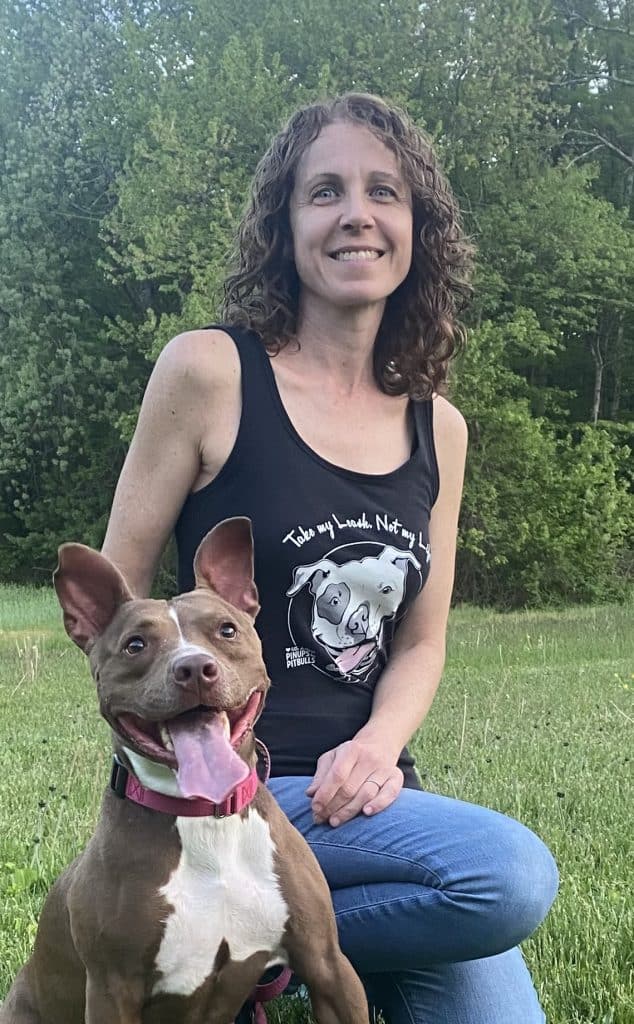
Member
Melissa Resnick is a veterinarian who works in the non-profit space. She helps organizations provide low-cost spay/neuter medical clinics and access to pet health care in cases where it may not be affordable to pet owners.
Resnick said Philadelphia banned the sale of animals in pet stores about 10 years ago – and that legislation supporting a state-wide ban has been stalled – leaving the decision in the hands of individual cities, towns and municipalities.
“When [consumers] buy dogs it’s often an impulse buy or a specific breed, and they are often not educated about the shops or the medical problems of some breeds,” Resnick said.
Resnick noted the popular French bulldog breed, often found in retail locations for sale, is prone to a myriad of health problems. Huskies are another example of dogs often turned into shelters because they are a high-energy working breed by nature and many pet owners are not prepared for the time and attention Huskies require to make great household pets.
“It’s fun to buy harnesses, food and pet toys – but it’s not fun to pay vet bills,” Resnick said.
Gonzalez said among PAVFA’s six core initiatives are:
· To End the sale of animals in retail pet stores in Pennsylvania.
· To inform and educate the public to help influence legislative change.
· To end animal killing contests.
A second legislative proposal, House Bill 1097, sponsored by Bucks County Democrat Perry Warren (D-31), seeks to ban live pigeon shoots in the commonwealth.
“This is relevant as there is a gun club in Bucks County, the Philadelphia Gun Club, [located in Bensalem] that still holds live pigeon shoots, while most other states have banned these acts. This bill has been introduced over the past 30 years and has not gotten the traction to get over the finish line,” Gonzalez said.
An all volunteer organization, PAVFA holds volunteer orientations year-round. Prospective supporters and volunteers can sign up to learn about PAVA news, efforts and volunteer details. Volunteer orientations are free.
Gonzalez said other animal rights advocates working for stronger animal welfare laws and operating in Pennsylvania include:
- Pittsburgh-based, Humane Action Pennsylvania, website: Humane Action Pennsylvania | Advancing Animal Protection with Legislative Action.
- Humane World for Animals, Humane World for Animals.
- Revolution Philadelphia, an all-women led grassroots organization focused on animal rights, Revolution Philadelphia