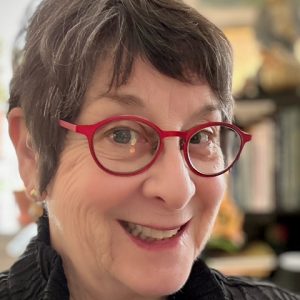
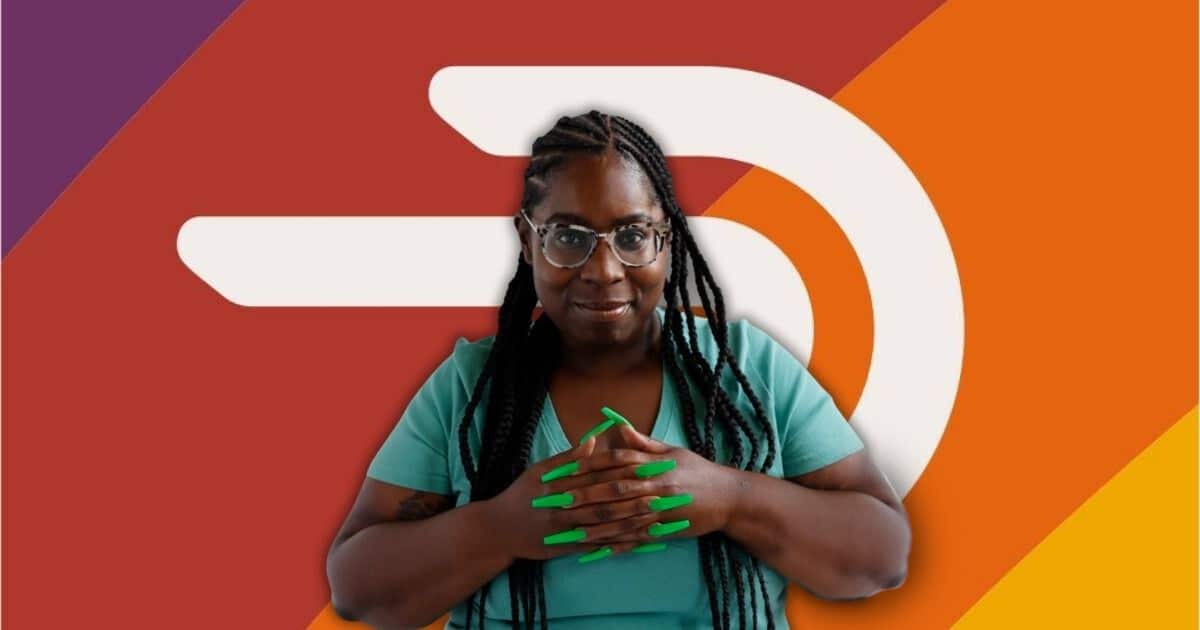
Native Philadelphian and Germantown resident, Cassie Owens, is the first-ever executive director and editor-in-chief of the recently launched The Philly Download, just named a Report for America newsroom. The enterprise operates with a lean but keen staff composed of contributing editor Ernest Owens, photo editor Lianne Milton, and audience engagement editor Troi Williams.
As audiences everywhere bemoan the demise of traditional print sources, a vibrant crop of online independent media, like Chicago’s The TriiBe, and Black By God in West Virginia, centering on Black lives and communities, told by Black journalists and storytellers, is blooming.
In her December 2, 2025, “Letter from the Editor,” Owens boldly acknowledges that “worship of the written word is a facet of white supremacy culture, and Black people, like all humans, tell stories beautifully through film, photo, visual art, food, podcasts and more.”
Designed and built to showcase just this, The Philly Download’s elegant cross-platform website puts this thinking in the “show me” column through a strategy of “elevating and amplifying the voices, stories and experiences of Black, Indigenous, people of color, and other communities harmed by systems of oppression and media erasure.”
Owens and her team are countering “every article that lands as stereotypical; every crime brief that minimizes the loss of precious life; all the stories that could benefit the community that get missed.”
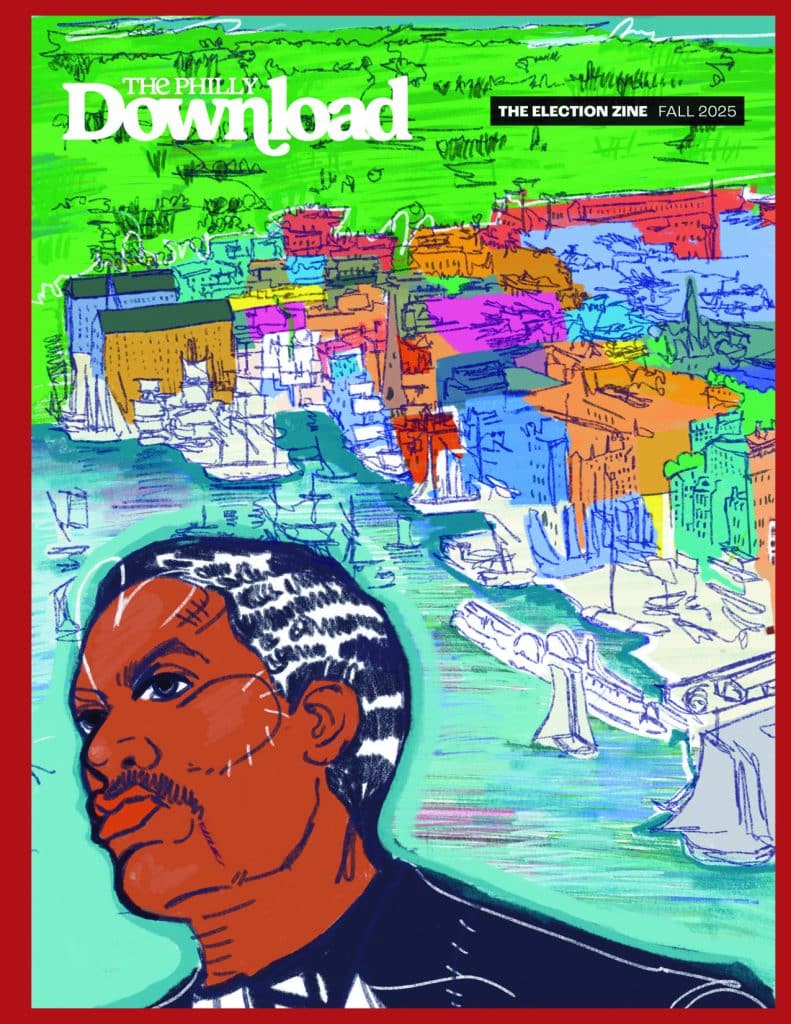
Innovative, tailored storytelling
Owens exhibits a steadfast commitment to media innovation and meaningful community engagement. Under her guidance, The Philly Download is actively pursuing new avenues for storytelling, including the integration of multimedia features and interactive content like editorial illustrations and podcasts, designed to foster audience participation and collaboration. This progressive, innovative strategy not only reflects the evolving landscape of contemporary journalism, but also ensures that the publication remains both relevant and responsive to the unique needs and interests of the communities it serves.
“There still aren’t enough Black Philadelphians who receive opportunities to produce journalism, and the journalism we have often comes from voices who don’t really know us like that,” she emphasizes.
The Street, the Academy, and Family Values
The depth and breadth of Owens’ journalistic experience makes her a perfect choice to lead this community newsroom. She’s been a reporter at the Philadelphia Inquirer covering sociocultural dynamics, reporter/curator for BillyPenn.com, assistant editor at Next City, contributor to Philadelphia City Paper, Metro, the Jewish Daily Forward, The Islamic Monthly, Spoke, and more. Her storied academic credentials add heft: she holds a bachelor’s degree from Brown University, a master’s from Columbia School of Journalism, and earned a prestigious Fulbright that she used to study life in the notorious favelas in Brazil.
High on her list professional inspirations are the late Gregory Stephen Tate, an American writer, musician, producer and long-time critic for The Village Voice, and poet, writer, dancer, Harmony Holiday. Journalist and Temple University professor Linn Washington Jr. and her affiliation with the the Philadelphia Association for Black Journalists impact Owens’ work and perspective as well.
Owens’ closely held values were also shaped growing up in Mt. Airy, a progressive neighborhood in Northwest Philly. “I really care about diversity because I grew up in Mt. Airy,” she says. “I had the privilege of being raised around people who had principles geared towards justice and collective liberation.”
THE PHILLY DOWNLOAD: Here’s What Mayor Parker Needs to Do to Defend Philadelphia’s History
Storytelling is central to the shared identity of many cultures. Owens explains: “I come from a family where storytelling is very important, no matter which way you do it.” Her mother worked “as a storyteller on the side, griot style, sharing folk tales from around the diaspora at events for kids.”
Another of the collective layers of Owens’ identity comes from the performing arts. Dance was an Owens family business, as was being a theologian. Many of her relatives, be they Baptist, Muslim, or Jewish, have been preachers and rabbis. Sermons delivered from the pulpit are, on balance, performative.
This rich blend grants Owens a nuanced understanding of the intersections between the arts, faith, community, and journalistic storytelling. Her formative experiences endow her with a distinctive perspective, allowing her to integrate personal insight with professional judgement in reporting on the complex realities of Philadelphia’s diverse populations.
Collaboration as the forefront
Owens editorial leadership prioritizes authenticity, inclusivity and teamwork throughout its content. She praises the contributors and contributions they make, such as the newly incorporated editorial illustrations, and an inaugural launch of a podcast with Dave Fortune slated to cover Philly sports focused on Black fans.
Owens earned her own professional multimedia chops during her tenure at the Philadelphia Inquirer in 2020, when she produced a short documentary on Philadelphia’s legendary Black ballroom scene in collaboration with Raishad Hardnett and Lauren Schneiderman, two talented video journalists. The project greatly expanded her repertoire, changing the way she thinks and approaches things.
“It was a documentary that was on Philadelphia’s ballroom community, as in the Black queer community of folks who get together to throw balls, perform and gather in networks of houses that form chosen families,” she explains. “There were a lot of lessons … [that] cemented an appreciation for not just the archive, but personal archives.” Her big takeaway: “A lot of the local historical material wasn’t [found in] formal museums, archives, libraries and universities yet.” It came directly from the community itself – a valuable, sometimes overlooked or hidden resource.
An emphasis on elders over mentors
Owens’ deep respect for elders and their lived experiences stems from recognizing that they serve as custodians of both personal and communal histories, safeguarding narratives that might otherwise fade with time. In the University of Pennsylvania imprint, Black Elders, author Frederick C. Knight, traces African Americans’ experiences with aging and being old during the eras of slavery and emancipation, highlighting that elders were the caregivers, domestics, cooks, or midwives – executors of nurturing tasks.
At last year’s Philadelphia Association for Black Journalist Emerging Media Diversity Convention, Owens addressed the difference between mentorship and eldership for her: “I went through a lot of my career without having mentors,” she states. “Something that I learned along the way is that I wasn’t really looking for mentorship or mentors – I was looking for elders and eldership. There is a difference.” It seems that elders nurture body, mind and spirit while mentors sway towards professional growth and competence.
“I had the privilege of being raised around people who had principles geared towards justice and collective liberation.”
Of the many elders in her life, Owens mentions Tayyib Smith, also as a mentor and friend. She credits Dr. Katrina Hazzard, “who taught me more than perhaps any teacher or professor in any school or any university setting that I’ve ever attended.” Owens’ work is also strongly influenced by her familial elders, Aunt Hazel and all of her grandparents.
Though work keeps her plenty busy, with a hat tip to elders and ancestors, Owens is learning to make ancestral recipes. She insists, “that an ancestral recipe is an archive in and of itself for where your people have been and who your people were and are. A lot of elders who’ve passed on, who are directly responsible for why I am who I am today, were wonderful cooks, and cooking makes me feel closer to them.” Circling back to her family’s roots, she is also currently working on her own documentary project with a strong focus on dance.
Anticipating a brighter Black media landscape
In her “Letter from the Editor,” Owens recalls a critical lesson passed on by mentor Tayyib Smith, “who used the term apartheid to describe the racial politics of our region,” and how “legacies of segregation rather the Constitution” have impacted and still impact everything from school funding, quality of life, generational wealth and health access for Black citizens.
“One of the blessings is that The Philly Download is moving within an ecosystem of partners and champions who are trying to reshape what it looks like to cover those areas,” she states. We are trying “to publish stories that don’t focus on the gaps,” rather “on the possibilities …. So many Black Philadelphians have never lived in a just society.”
THE PHILLY DOWNLOAD: How Philly Writer Karas Lamb Guides Listeners Through Cultural Landscapes
It is her hope that by profiling inspiring people and working to increase in-depth reporting on the community, The Philly Download can “sow seeds towards a collective quality of life, health access, and generational wealth,” for its publics.
It’s a worthy and ambitious project. Part of The Philly Download’s ecosystem of champions are the PA Alliance Foundation, Lenfest Institute and the People’s Media Fund, each with a similar mission of moving resources within the Philadelphia region toward community-owned media and internet.