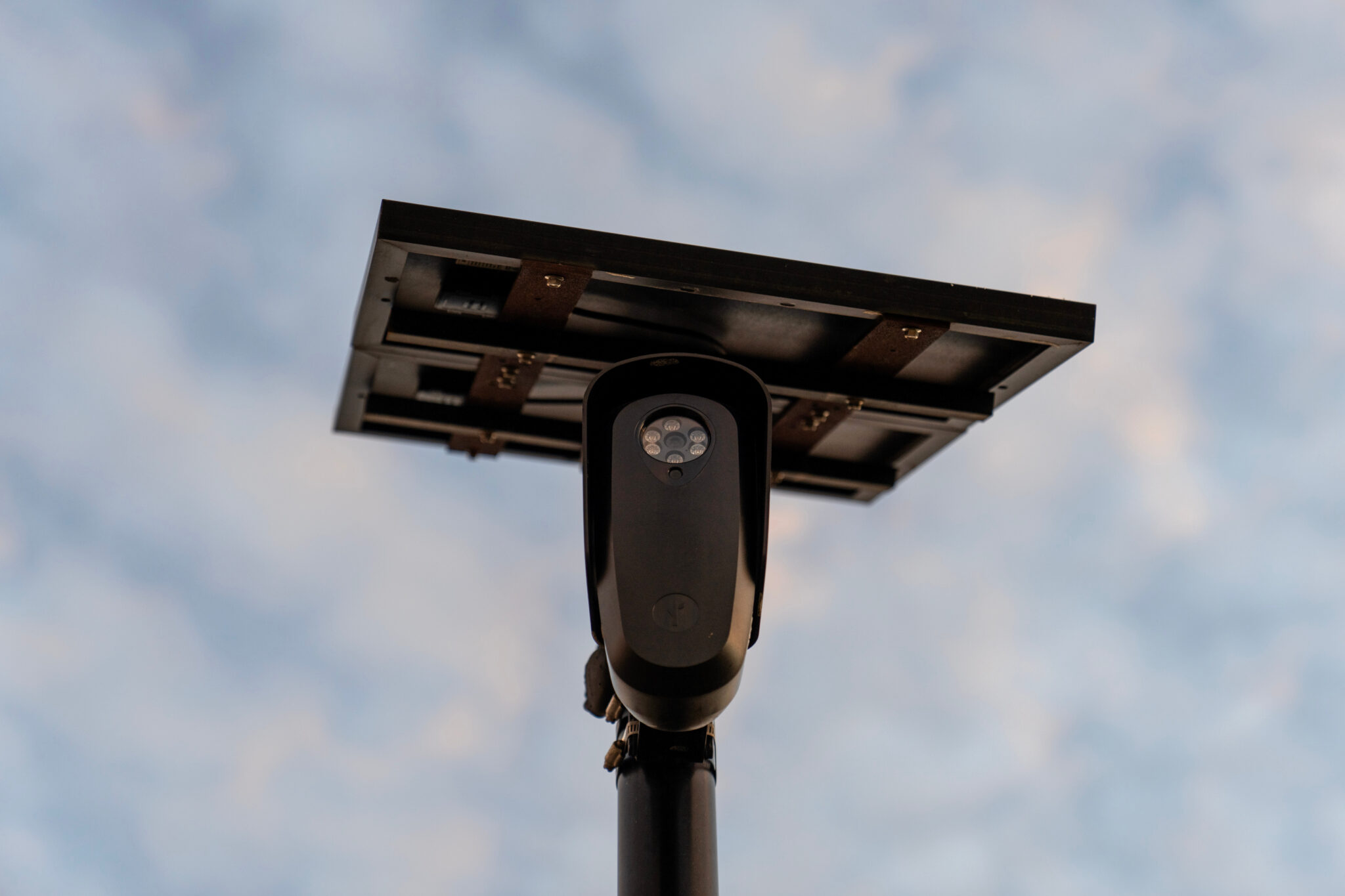
Pennsylvania state representatives are pushing for privacy and accountability protection for automated license plate readers, including Flock cameras.
This statewide bipartisan legislation would provide safeguards for Pennsylvania citizens. This includes rules governing access to Flock camera information, documenting reasons for searches, audit trails, data retention standards and transparency.
It would also establish meaningful civil penalties for unauthorized access to information, allow individuals harmed by misuse to bring a civil action and authorize the Pennsylvania Attorney General and county district attorneys to investigate violations and bring civil enforcement actions.
Democratic state Representatives Tarik Khan (HD-194), Jennifer O’Mara (HD-165), Napolean J. Nelson (HD-154), Nathan Davidson (HD-103), Ben Waxman (HD-182), Jim Prokopiak (HD-140), Emily Kinkead (HD-20) and Republican Rep. Robert Leadbetter (HD-109) are among the state representatives pushing for this legislation.
“As Flock and other license plate reader technology becomes more prevalent across Pennsylvania, it is critical that we establish clear safeguards to protect personal information and liberties, respect privacy, and ensure these powerful technologies are used responsibly,” the bill’s memo said.
As Flock and other automated cameras spread across Pennsylvania, concerns over misuse continue to grow.
“As a nurse, I know how deeply personal medical information is and why we have strong protections around who can access and use it,” said Khan, the bill’s primary sponsor. “We need to think about license plate reader data in much the same way. If a record is being created of where you’ve been, there should be strict rules about protecting this data.”
There are already real-world examples of Flock camera data being misused.
The Washington Post reported that nearly 50 officers had been charged or accused of using Flock cameras for purposes such as tracking and stalking a current or ex romantic partner or family member.
An officer in Savannah, Georgia, allowed an outside law enforcement agency to access Flock data for the city, leading to his firing.
In Wisconsin, a woman was pulled over at gunpoint because a Flock camera incorrectly identified her car as one that was involved in a homicide.
Texas law enforcement used Flock cameras to track down a woman who crossed state borders to receive a self-administered abortion after her boyfriend reported her to the police.
“Technology that can help keep our communities safe should never become a tool for stalking or abuse,” said O’Mara.
READ: ‘I Saw a Shiny Thing’: Cop Explains Why He Used License Plate Reader to Stalk Woman
With 120,000 cameras across 49 states, this growing mass surveillance system is facing scrutiny from many agencies. In fact, 50 communities have deactivated cameras or canceled contracts with Flock since the start of this year.
“As this technology becomes more prevalent across Pennsylvania, we have an opportunity to put strong protections in place now,” Khan said. “Pennsylvanians deserve to know their personal information is protected and their civil liberties are respected. We can fight crime without sacrificing either.”
The DeFlock movement maps every camera in local areas. Some people are taking the fight into their own hands by using this map to cut down cameras.
In Franklin County, Pennsylvania, five flock cameras were cut down by masked assailants. Police continue to search for suspects. An online movement has chosen Halloween night as “De-Flock America” night, making use of universal cultural mask traditions to celebrate.
“I believe that our citizens cannot rely on Flock or any other business to institute the protections needed. Rather, we need strong regulations that ensure that our constitutional rights and personal data are protected and that any use of data is confined to serious public safety issues,” Prokopiak said.