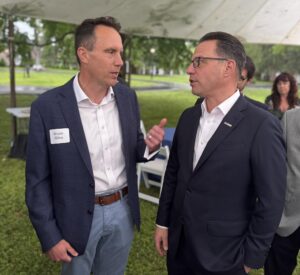
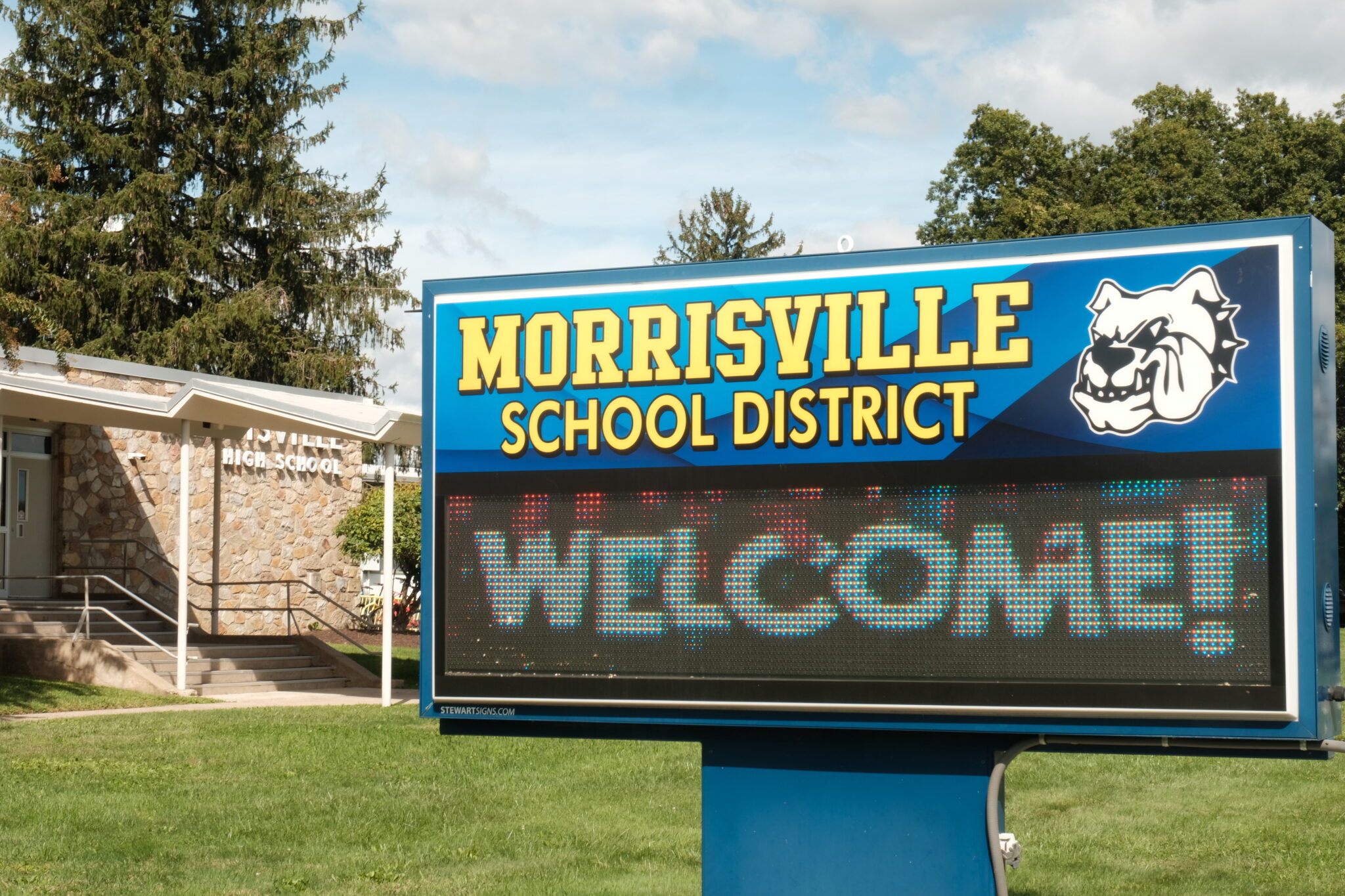
Shawn Ratti chose Morrisville School District as a high schooler for its small class sizes and the ability to develop relationships with educators. Working as a teacher in the district today, he has watched as the school lost science programs and extracurriculars due to chronic underfunding.
“Over these last few years, we’ve had a number of things either reduced or cut to help beat those expenses,” Ratti said. “It’s always been a sad struggle to have to see going on.
With a boost in state funding, Ratti hopes that the district can return to what he remembers from his days as a student.
A $3.5 million increase in state funding for Morrisville aims to bring stability and allow the district to plan ahead for a sustainable future.
Leveling the playing field
A year ago Morrisville School District thought it might have to shutter its schools’ doors.
When Pennsylvania’s 2025-26 budget was halted for four-plus months, the state’s public schools were some of the hardest hit by the impasse with over $3 billion in state education funding held in waiting.
Morrisville was one of two districts in southeastern Pennsylvania — along with William Penn School District — that faced closure due to this funding delay, set to close on Jan. 29 if nothing in Harrisburg changed.
Gov. Josh Shapiro and lawmakers passed the budget on Nov. 12, allowing Morrisville to continue operating, but a change was needed. This year’s state budget included investing $565 million towards the adequacy gap and providing financial assistance to lower-income, chronically underfunded schools.
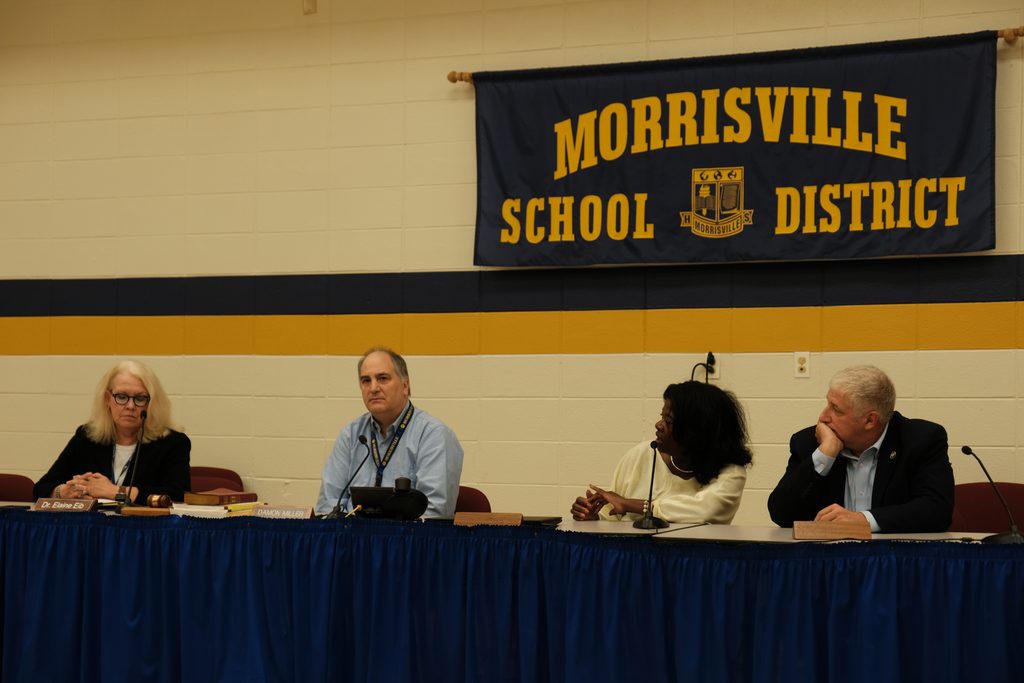
Damon Miller, president of Morrisville’s school board of directors, explained that historically the district has acted under tight financial restraints, making it difficult to maintain a “quality educational program.”
READ: A Bucks County Bird Town Waits in the Wings and Wonders About Their Library’s Future
“Morrisville has struggled for many years to operate with limited resources of revenue. The restructured funding formula did not help, and the district continued to go deeper into debt despite every effort made to reduce costs and seek additional revenue streams,” Miller said.
The new formula addressed the adequacy gap that exists in Pennsylvania schools, aiming to close the divide between well-off and disadvantaged districts in the state.
Under the new 2026-27 state budget, the district received an additional $3.5 million in permanent state funding, bringing the total number up to $7.05 million, a 99.4% increase.
Due to years of running deficits, state Rep. Jim Prokopiak said that Morrisville was looking into both higher property taxes and cutting school resources. Prokopiak, alongside state Sen. Steve Santarsiero, announced the increase in funding in July.
“It really is about making sure that they have the ability to do what they need to do, which is educate their children and the state doing their part in funding schools,” Prokopiak said.
“We’ve kind of been living paycheck to paycheck”
Although the district has these additional funds, Miller said Morrisville is “not going to go into this spending money just because we have it.”
The school board president explained the district is looking for a long-term financial plan, in order to bring more stability to the community.
“We’re going to be taking the time to really explore programs that we know that we can sustain over a long period of time, not just these short-term band-aids,” Miller said.
Acting superintendent Elaine Eib recommends the district take on what she called a process of stabilization. Morrisville would look to pay off any outstanding debts, and from there build for the years to come.
READ: Bucks County Schools Roll Out AI Pilots, Training and Policies for the Classroom
“It’ll enable us to plan for the future,” Eib said. “We’ve kind of been living paycheck to paycheck, if you will.”
In the past, most of the district’s budget has gone to payroll — faculty and benefits. Without additional funds left over, according to Eib, it becomes progressively more difficult to address capital projects that would upgrade or repair old infrastructure.
Eib said the new state funds will allow the district to establish a capital improvement plan and address overdue needs in school buildings.
“This 99.4% increase gets us to a place where we should have been for a long time,” Eib said. “So we’re grateful to get it.”
Looking towards the future
Ratti said that he personally loves that this decision from Harrisburg affects Morrisville, but he hopes that this is just the start of Pennsylvania shining a light on other underfunded schools.
“I’m sure many other districts are feeling the same relief,” Ratti said. “Hopefully this continues to be a trend, to show when you are able to properly support and sustain your education system, you start to see the follow-up and results.”
For too long, according to Ratti, there have been reductions and cutbacks in schools.
When the state stepped in and invested in a program, he said that is when you will begin to see increases across the board, in school productivity, student testing and teacher retention.
Ratti said for years Morrisville has not had a drama department; while a music program still exists, some of the choir music has gone away.
When he was a student, he enjoyed the selection of humanities classes provided. While Ratti acknowledged cuts like these are also part of statewide trends, he still would like to see some return.
“I’ve always been a big advocate of if you want to see something improve, you have to fund and support it,” Ratti said. “Cutting it down doesn’t magically make it better.”