Legislation to prevent health care premium increases for millions of Americans is back on the table.
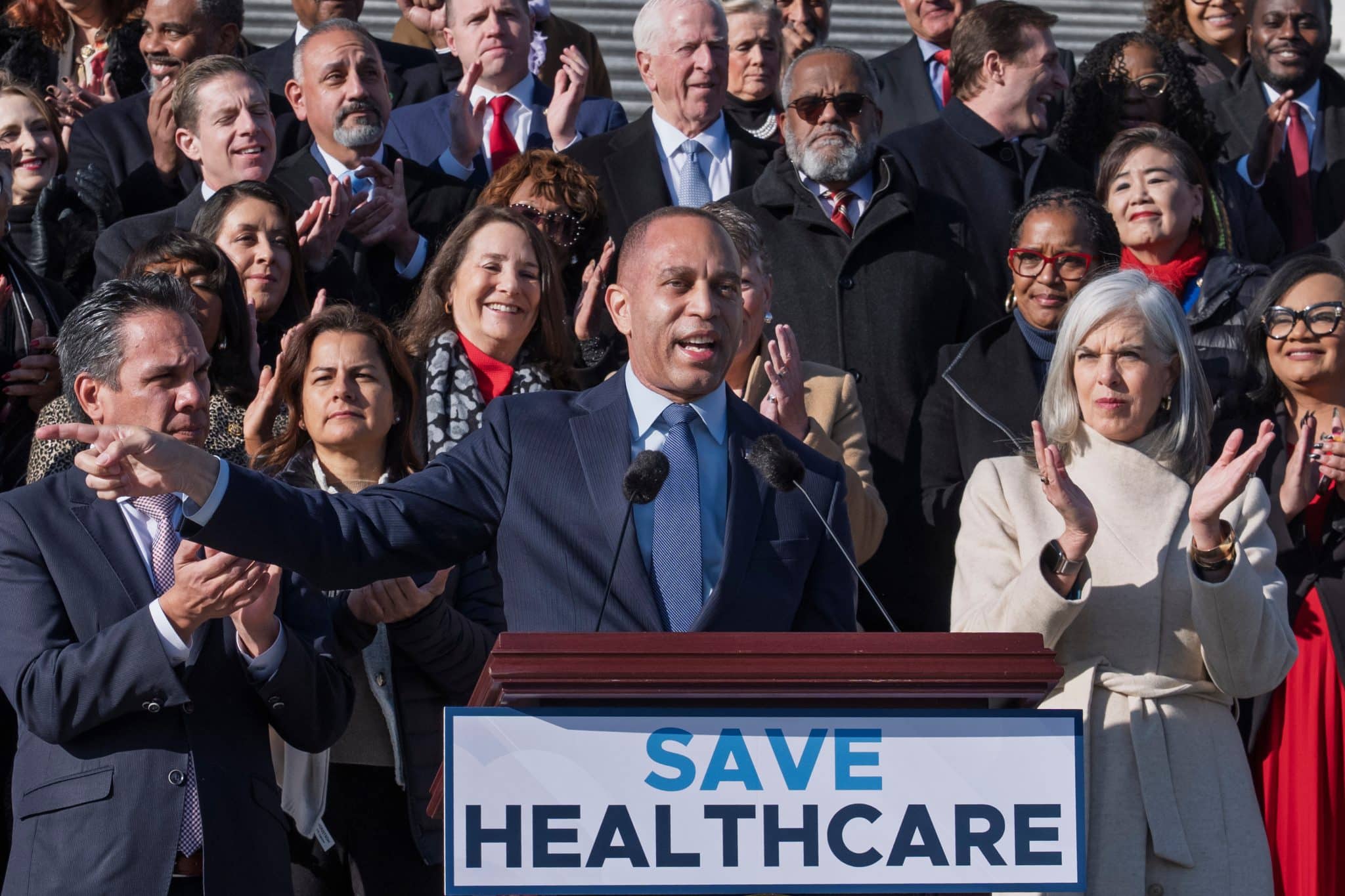
On Thursday, 17 Republican members of the House of Representatives broke party lines and voted with all Democrats on a plan to extend the Affordable Care Act subsidies for three years.
Notable House GOP rebels who defied leadership include: Brian Fitzpatrick, Rob Bresnahan and Ryan Mackenzie from Pennsylvania; New York’s Nick LaLota and Mike Lawler, New Jersey’s Thomas Kean, Jr., Ohio’s Max Miller, Florida’s Maria Elvira Salazar and California’s David Valadao.
Thursday’s vote of 230-196 signaled a recognition by Republicans that making health care more expensive and less accessible makes them even more vulnerable in the 2026 midterm elections. PBS.com reported the Thursday vote was a “remarkable rebuke of Republican leadership.”
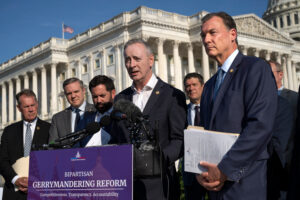
This follows Fitzpatrick joining Bresnahan, Mackenzie and Lawler in December in signing a discharge petition with all Democrats to force this floor vote on the bill. The subsidies expired December 31, leaving millions with the prospect of losing their health insurance or paying unsustainably skyrocketing premiums.
Locally, Democrats think it is more political posturing than political conviction on Fitzpatrick’s part.
“Now, after the damage is done, Brian Fitzpatrick wants credit for ‘action’. But when it mattered most, when the votes were there to protect coverage and keep premiums down, his record shows hesitation and half-measures,” said Bob Harvie, Bucks County Commissioner and Democratic hopeful for a chance to challenge Fitzpatrick for Pennsylvania’s first congressional district seat. “For families already paying more every month, that’s too little, too late. We need leadership that fights to lower costs before people are hurt, not Facebook posts after the fact.”
Another Democrat, Lucia Simonelli who is running against Harvie, Rob Strickler and Tracy Hunt in this May’s Democratic primary, said Fitzpatrick’s vote – while a positive – comes up short.
“It’s good that the House took the first step by passing a three-year extension of the ACA Enhanced Premium Tax Credits and that Rep. Fitzpatrick supported this effort. However, when an amendment to extend these credits was proposed last May, Rep. Fitzpatrick didn’t even show up for the vote, an inconsistency characteristic of his record. More broadly, short-term extensions just keep kicking the can down the road. We need more durable, structural reforms of our broken health care system, such as moving toward ‘Medicare for All,’” said Simonelli.
Medicare for All, according to the National Nurses United website, is described as a single payer system that would “end health disparities, effectively control costs and assure everyone has access to an excellent standard of care.”
About 69 million Americans use Medicare for their health insurance. Of these, about 61 million are 65 and older, according to Medicare.gov. Others with Medicare coverage include younger people with qualifying disabilities; those with “end stage renal failure” or Amyotrophic Lateral Sclerosis (ALS), also known as Lou Gehrig’s disease.
Medicare is America’s largest single payer health coverage provider.
The Associated Press reported the bill heads to the Senate “where pressure is building for a bipartisan compromise” though the Senate is not obligated to review the House bill.
Opponents of ACA subsidies claim widespread systemic fraud. Politico reported state officials said fraud is much less widespread within their systems of checks and balances and urged federal officials to re-examine their own systems and procedures. State officials claim fraud is primarily associated with the federal program Heath Care.gov due to “lax enrollment verification and other systemic problems.”
Fitzpatrick has not responded to repeated requests for comment. He proposed his own ACA extension bill, though it would have been only for two years, but couldn’t even get the House to vote on it.
“Congressman Fitzpatrick has already allowed the ACA tax credits to expire and prices to skyrocket – that’s a fact. His eleventh hour attempt to paper over the health care crisis he and his Republican Party have created is an admission that even he knows he’s facing his toughest re-election campaign yet because he’s failed to lower skyrocketing costs,” said Eli Cousin, spokesperson for the Democratic Congressional Campaign Committee in Washington, D.C.
In a September report released by the Congressional Budget Office (CBO), the estimated impacts on federal deficits and health insurance coverage included:
· Permanently extending the premium tax credit structure outlined in the American Rescue Plan (2021) – and extended through 2025 would increase the deficit by $350 billion and increase the number of people with health insurance by 3.8 million through 2035.
· Do away with a June 2025 rule issued by the Department of Health and Human Services related to health insurance marketplaces, which were established under the Affordable Care Act (ACA) and increase the federal deficit by $40 billion and additionally insure 300,000 people through 2035.
· “Repeal sections in Title VII, subtitle B, of the 2025 Reconciliation Act related to the health insurance marketplaces—increasing the deficit by $272 billion from 2026 to 2035 and the number of people with health insurance by 2.9 million in 2035.”