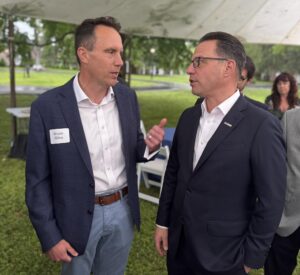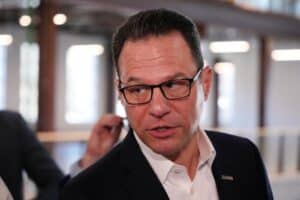
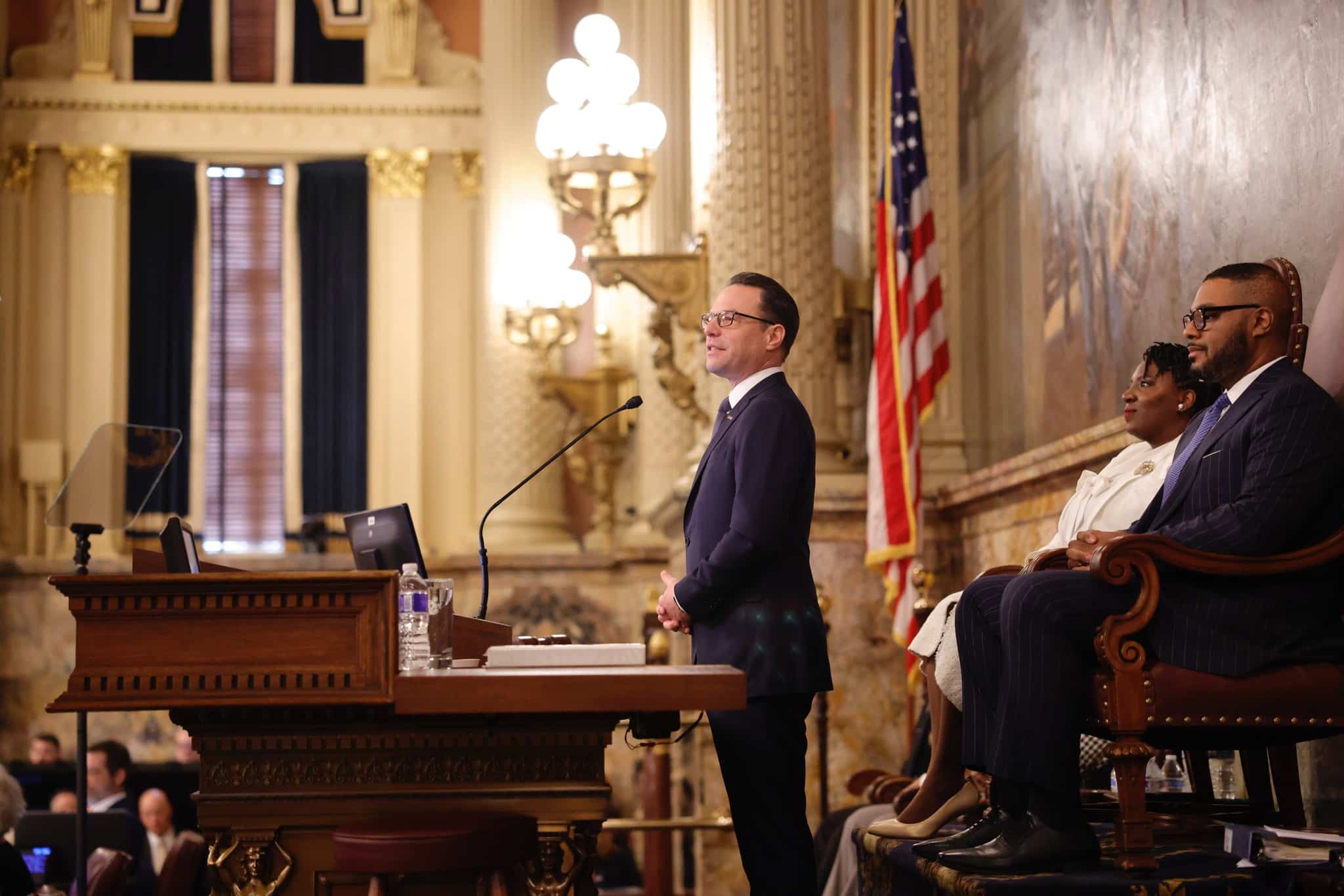
Gov. Josh Shapiro used Tuesday’s annual budget address to urge lawmakers in Harrisburg to finally reform the commonwealth’s stance – and laws – over adult-use recreational marijuana.
“We’re putting our communities at risk and losing out on billions of dollars in revenue by doing nothing,” said Shapiro in reference to passing “comprehensive cannabis reform.”
The Governor’s Press Office asserts that “regulating skill games and legalizing adult-use cannabis together could generate approximately $2 billion annually providing long-term, recurring revenue to support schools, public safety and taxpayer relief.”
The state House passed a bill in May in a 102-101 party line vote, but since then it has languished in the Senate.
Local cannabis advocates praised the move, but are pessimistic whether Republicans will answer the call.
Brittany Crampsie, spokesperson for Responsible PA, a coalition of advocates and industries to legalize adult-use cannabis in Pennsylvania, said legalization would “solve a lot of problems.”
She said Pennsylvania has a revenue stream crisis that legalizing cannabis could help resolve.
“There is no appetite to raise or collect more taxes, and we have to find other places to raise revenue. Every other state, with the exception of West Virginia, is balancing their budgets off cannabis sales,” Crampsie said.
She envisions a program whereby legalized recreational marijuana would be available for adult-only use in private retail dispensaries, which would be regulated, inspected and would not serve minors.
One of the few advantages of being late to the adult cannabis party is learning from other states’ mistakes to build a successful program, Crampsie said.
“Medical marijuana would remain the same, from what I’ve seen. [Senate Bill 49] SB 49 establishes a Cannabis Control Board, it does not legalize adult-use but it does create the regulatory framework,” Crampsie said.
Pennsylvania represents the second largest medical marijuana market in the U.S., according to Cannabis Business Plan.
Medical marijuana, which is tightly regulated, sets specific requirements and regulations for dispensing products; requires a physician’s certification of a patient’s eligibility due to a listed serious or chronic condition, and it requires a Pennsylvania medical marijuana card.
Licensed dispensaries generated an estimated $7.68 billion in state revenue since the Medical Marijuana Act program began in 2016 and was signed into law by then Governor Tom Wolf.
“Expanding the medical program into a recreational market like you see in 90% of the states that touch Pennsylvania” would make communities safer, whereas unregulated “gas station hemp products” are sold without any oversight or regulation, according to Crampsie.
Zachary Uzupis, Bucks County NORML executive director, said his organization “supports Governor Shapiro’s call for cannabis reform in Pennsylvania.”
NORML, founded in 1970, is a national responsible adult-use cannabis organization aiming to “move the needle” and promote safe marijuana use.
Uzupis explained any legalization bill “must include a ‘home grow’ provision,” which would allow Pennsylvanians to grow their own cannabis.
He said this allowance would “combat against ‘corporate weed’ price fixing.”
“Pennsylvanians are still getting arrested every day for cannabis related crimes, while every single state surrounding us has safe, legal cannabis markets – generating tax revenue for their schools, infrastructure and government services while Pennsylvania loses out,” Uzupis said.
However, he is pessimistic Republicans in the state Senate will answer the governor’s call and try to pass meaningful and much-needed reform.
Shapiro’s full address to the general assembly on Tuesday may be found here.