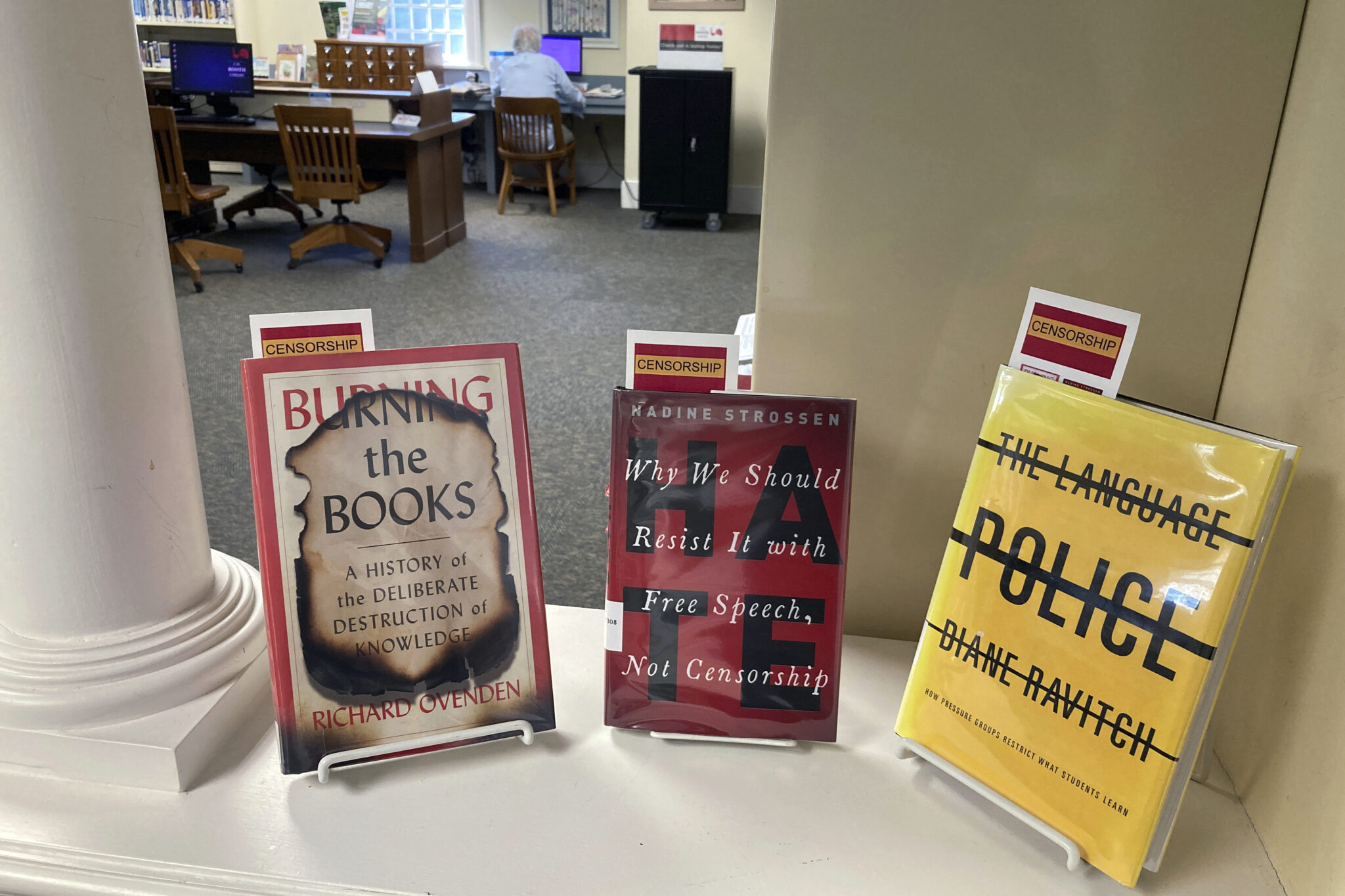
Imagine a world where students never read Elie Wiesel’s Night—a firsthand account of surviving the Holocaust. If you live in Central Bucks School District, you don’t have to think very hard about this reality – in 2023 we had a librarian who was asked to take down Eile Wiesel quotes during Holocaust Remembrance Day. Since then, Central Bucks has revised the policy associated with that decision. But, it happened. And now, similar moves are happening across the country.
In the 2024–2025 school year, Night and hundreds of other nonfiction books—memoirs, histories, guides to activism—were pulled from public school shelves across the country. When we erase these authentic stories, we don’t just lose books; we lose the chance for our children to understand the world, their rights, and themselves.
The conversation around book bans often centers around works of fiction. However, recently bans of nonfiction books have doubled. According to PEN America’s new report “Facts & Fiction: Stories Stripped Away By Book Bans”, over 1,100 nonfiction titles were removed from public schools in the 2024-25 school year. This represents about 29% of all banned books and is more than double the previous year. Across 23 states there are 3,743 unique titles banned and Florida, Texas and Tennessee are leading the way.
Now you might be wondering if these are just terrible books. Are they books that promote violence or are inaccurate? Nope. The titles that are targeted have several characteristics in common.
First, many of them focus on activism and social movements.
These titles are particularly important because they provide meaningful texts through which students can learn about their rights and how to participate in our democracy. And, no surprise, 44% of banned titles feature people of color.
We have, unfortunately, grown used to titles that feature the LGBTQ+ community and people of color being targeted. But now, the bias has extended to books that deal with topics like health and grief. The idea of grief being targeted stuck out to me. A while back I taught a children’s literature course and discovered a chapter book called The Care and Feeding of a Pet Black Hole. It was the first time I saw grief handled in a book for children and it was beautiful. It struck me how some students will read that and feel seen and perhaps open up and maybe even heal. We are being led by people who are so fragile and disconnected from an ability to deal with life that they are making it more difficult for anyone to engage.
Kasey Meehan from Pen America sees this as a trend toward “anti-intellectualism”. Meehan warns that this devaluing of the education and expertise that comes from nonfiction undermines public knowledge. To be sure, this is the playbook we have seen throughout history from authoritarian regimes. Some people in power do not want an educated and informed electorate – they want people who will be easy to control.
There also continues to be a mischaracterization of books that contain any form of references to sex as “sexualizing children”. For example, there are two pending bills – the Stop the Sexualization of Children Act and the PROTECT Kids Act. If passed, these could escalate book bans, both fiction and nonfiction, and further restrict access to what students can read and learn.
READ: Book Bans and Attempted Bans Remain at Record Highs in the United States
To be sure, some will argue that parents have the right to decide what is age-appropriate for their children. They will claim that removing certain books protects students from material they deem unsuitable or controversial.
But, the reality is far broader and more troubling and is much bigger than any concern about explicit content. These bans are sweeping up books on ancient Egypt, the digestive system, and self-help for teens – not just books that discuss sexuality. When we ban books like Night or histories of social movements, we deny students the tools to understand the past, navigate this present moment, and shape the future. The many well meaning parents who show up at school board meetings and rallies are being duped. The conservative movement needs to be honest with it’s loyal followers – banning books is not about protecting children, it is about restricting knowledge in order to gain and maintain control.
Contact your elected representatives and ask your school directors what is happening in your district. Urge your elected officials (locally Congressman Brian Fitzpatrick) to oppose bills like H.R. 7661 and H.R. 2616. Keep track of what organizations like PEN America are sharing with regard to tracking and fighting these bans. Don’t allow censorship. The stories we allow or forbid shape who we become as a nation.
Let’s choose knowledge.