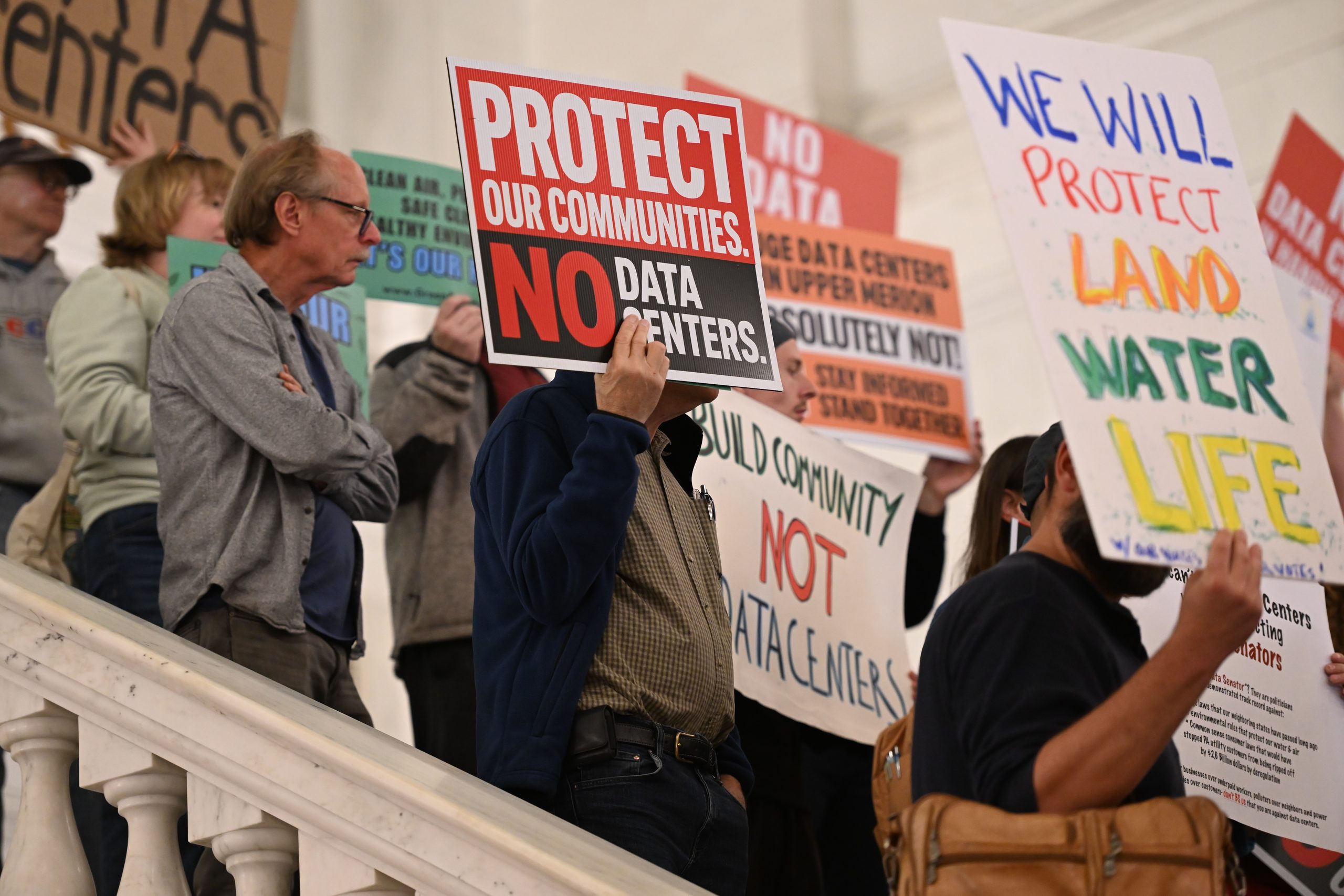
Two things keep Bucks and Montgomery County residents up at night: the electric bill and the Amazon data center going up at the old U.S. Steel site in Falls Township. These two things are connected.
As many are aware, power in Pennsylvania runs through PJM, the grid operator for our state and 12 others nearby. Demand on our grid is growing faster than new supply. In July, PJM’s capacity auction (that’s the wholesale market auction) hit its price cap for the third straight time and still came up nearly 7,000 megawatts short. In its prior auction, data centers drove nearly all of the forecasted demand growth.
Those increased energy costs are being passed on to us residents. On December 1, PECO’s supply price will rise to about 13 cents per kilowatt-hour, up from 10.4 cents in the summer of 2025. Working families across the region will feel the pinch just as the holidays approach.
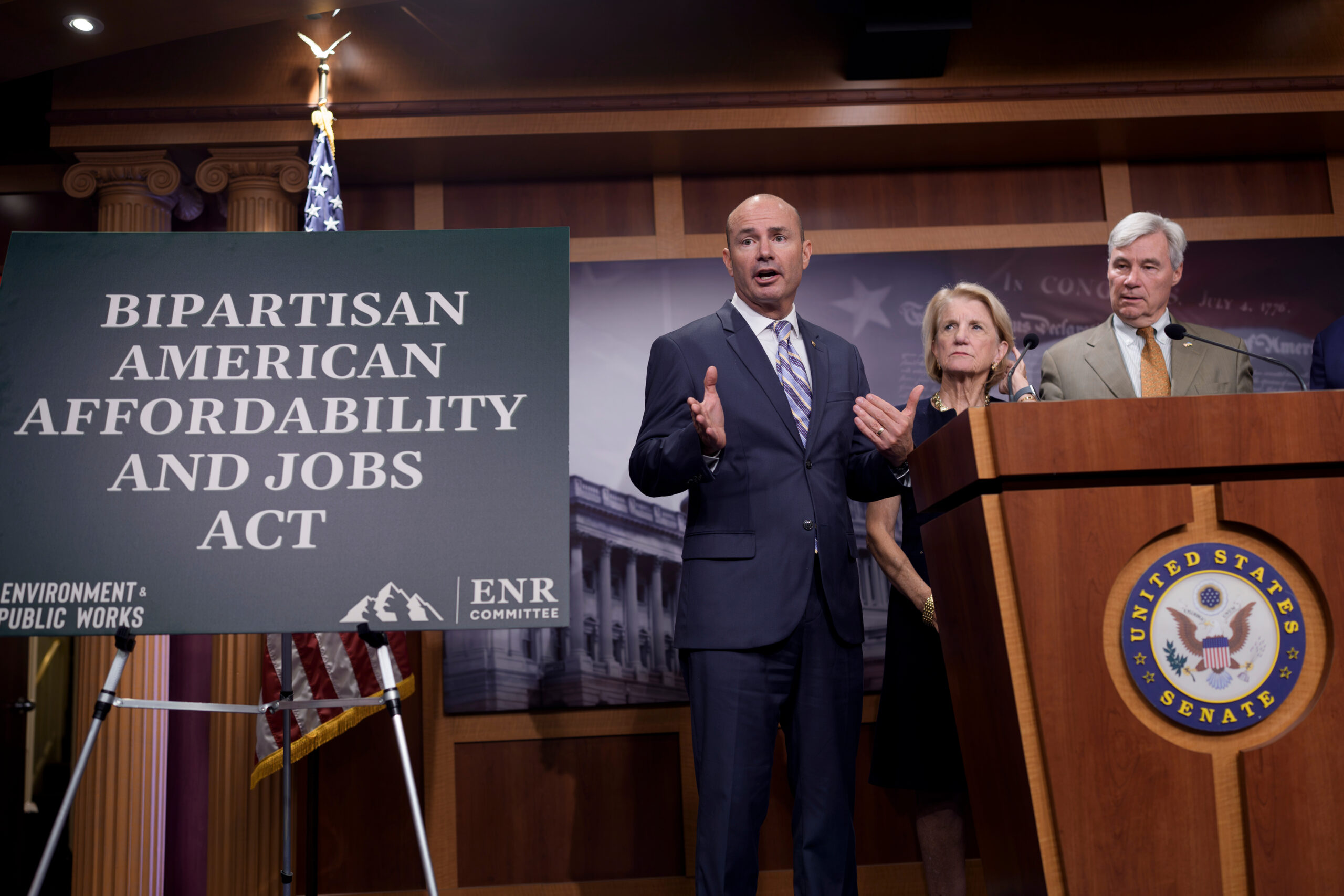
Thankfully, Congress has introduced a bipartisan bill which proposes solutions that address these serious economic concerns while also benefiting our climate. The Bipartisan American Affordability and Jobs Act, known as BAAJA, passed the Senate this past month. Our two Pennsylvania senators, Democrat John Fetterman and Republican Dave McCormick, voted ‘yes.’ The House is expected to take up the bill shortly.
On affordability, BAAJA requires large data centers to pay for their share of grid upgrades such that costs do not get passed onto household energy bills. While Amazon has stated it will pay for the necessary grid upgrades for its Falls Township campus as part of its agreement with PECO, such promises need to be the rule, not the exception; it’s imperative that consumers not have to rely on individual deals between data center developers and their associated utilities to be assured that their bills won’t rise.
Also, importantly, BAAJA streamlines the construction timelines for new clean energy projects and power lines. Under current rules, clean energy projects can be delayed for many years by slow-moving federal reviews or potential lawsuits before they can deliver a single kilowatt of power. BAAJA sets clear timelines for those reviews and gives federal regulators new authority to approve major interstate power lines. It also creates an online permitting portal where the public can check project status and provide timely feedback. In a provision most significant for our climate, BAAJA will require grid operators to speed up the process for connecting new clean energy projects to the grid – a major source of bottlenecks in our state.
The positive impact that BAAJA will potentially have on our climate cannot be understated. According to Resources for the Future, a nonpartisan research group, BAAJA would cut carbon pollution from the power sector by about 1.8 billion metric tons through 2041 and grow American transmission capacity by about 30%. With more power lines, we get more room on the grid for new clean energy.
More energy supply means lower prices for Pennsylvanians.
Due to a long career in market research and forecasting, I am well aware that every forward-looking projection comes with a range. Independent modeling from the Rhodium Group finds that the bill’s key provisions would cut the average Pennsylvania household’s electricity bill by $26 to $63 a year by 2035. Nationally, they project a savings of $50 to $78 a year by 2040.
But BAAJA does not just promise lower energy bills and the development of cleaner energy sources. It is also, in effect, a jobs bill, which is why AFL-CIO, the largest federation of trade unions in the United States, has endorsed it. According to an estimate from the economic research group Employ America, BAAJA could add over 100,000 trades and manufacturing jobs nationwide by 2040.
Moreover, Pennsylvania would be well-positioned to take a significant share of those jobs. According to the business group, E2, over 100,000 Pennsylvanians already work in clean energy, 44% of whom work in construction. To activate those workers, we need good projects to get permitted and built. Under the current system, those opportunities are dwindling, with clean energy employment nationwide falling by nearly 40,000 jobs in 2025 – this after four straight years of growth!
Despite the significant benefits to our pocketbooks, climate, and employment levels, many in Washington, DC discount BAAJA as a poor bipartisan compromise. In a recent letter opposing BAAJA, scientists argue that the legislation would lock in fossil fuel use and jeopardize future climate action. Yet the bill explicitly preserves government authority under existing laws and regulations. Moreover, independent modeling from Resources for the Future projects that BAAJA’s reforms would accelerate clean energy development, displacing electricity generated from fossil fuels.
READ: 160 Climate Scientists Warn BAAJA Would Destroy US Chances of Reaching Net Zero
Many want to wait until next year to get a different deal. But that would require starting over: new hearings, new negotiations, and a bill that would need 60 Senate votes as well as a presidential signature. BAAJA has already cleared the Senate with 62.
We must consider the environmental costs of inaction.
The Intergovernmental Panel on Climate Change projects that more than 10% of species could become endangered at 1.6°C of global warming, rising to more than 20% at 2.1°C. Continued warming also threatens public health through extreme heat, worsening air quality and more dangerous weather. We cannot let perfect be the enemy of good.
Pennsylvanians need action now to stop ever-growing utility bills, rapidly combat our warming climate, and create high-quality jobs.
Pennsylvania’s congressional delegation is known for working across party lines. I urge them to join hands and vote ‘yes’ for this historic legislation when it reaches the House floor.