
This interview was conducted and provided by the Chesapeake Bay Journal.
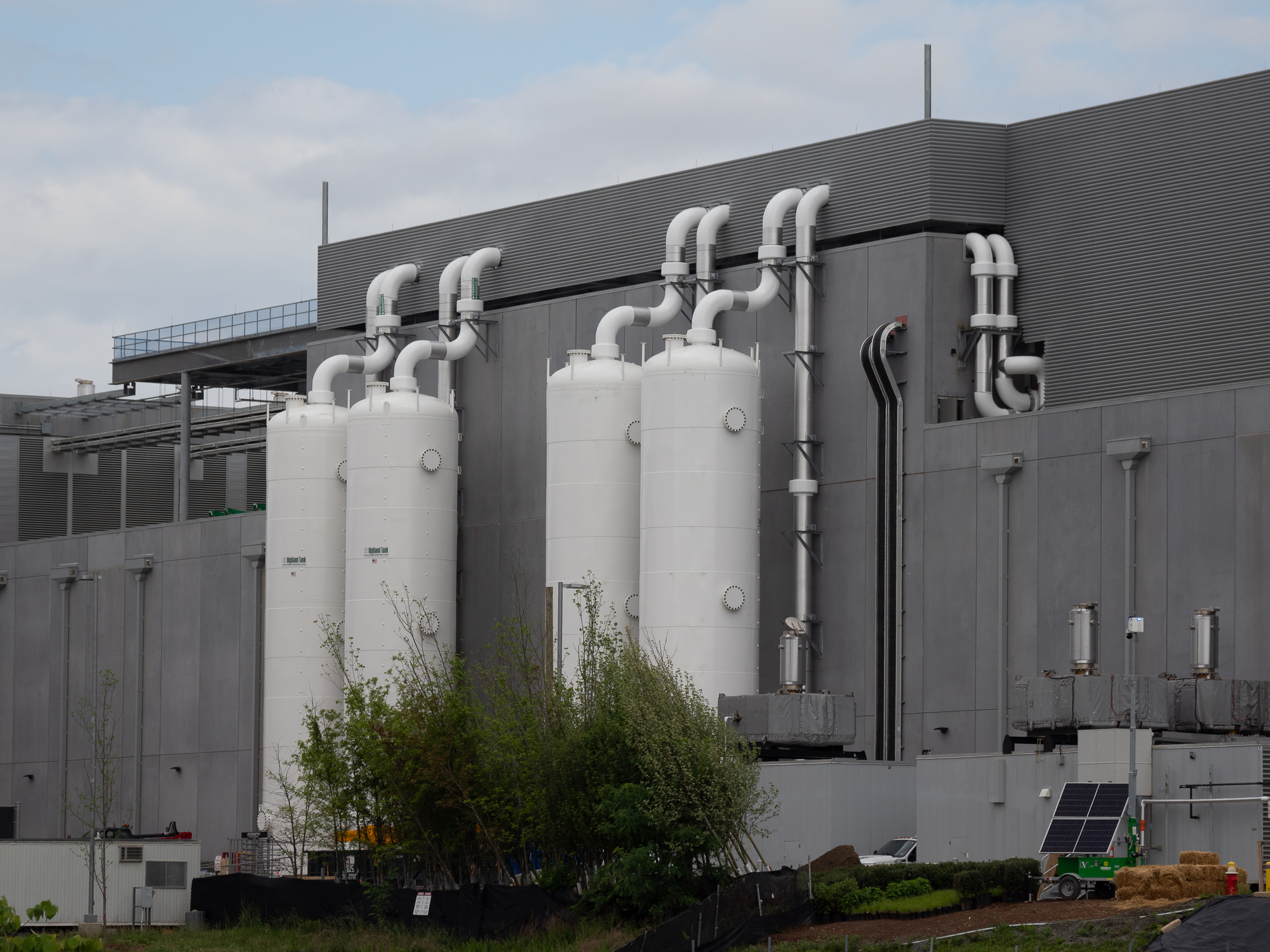
Data centers have become one of the fastest-growing land uses in the Chesapeake Bay watershed. Northern Virginia alone, often called “Data Center Alley,” is home to the largest concentration of data centers in the world, with an estimated 70% of global internet traffic passing through the area. Now Maryland and Pennsylvania are seeing a surge in data center development, too.
This growth is reshaping the landscape, and many people are concerned about impacts on energy production and water use. Many data centers rely on evaporative cooling systems that withdraw millions of gallons of water a day from rivers and aquifers, often the same ones that supply public drinking water. Yet, there is no consistent regulation across the region that requires data centers to publicly share how much energy and water they use.
Residents living closest to these projects often know the least about them, largely because of nondisclosure agreements, or NDAs, that shield basic details — including how much water and energy a facility will use — from public view. The Chesapeake Bay Journal talked with the Chesapeake Legal Alliance to learn about these agreements, the information they protect and what residents can do about it.
What is a nondisclosure agreement?
An NDA is a contract in which one or more parties agree to keep certain information confidential. In the private sector, they’re a routine way for companies to protect trade secrets. But in data center development, NDAs are increasingly signed between developers and public entities, such as local governments, economic development authorities and water or electric utilities, before a project is announced. Developers say the agreements are necessary to protect competitive information while they shop for sites and negotiate incentives. Local officials often [agree to sign] them because they fear losing a deal, and the jobs or tax revenue that come with it, to a neighboring jurisdiction willing to sign an NDA.
What environmental information does an NDA typically conceal?
The specifics vary by state and by contract, but the categories of withheld information tend to be similar: projected water withdrawals and discharge volumes, the source of that water (river, aquifer or municipal supply), energy demand and the power infrastructure needed to serve it. They often protect the identity of the company itself before a project is announced and sometimes the site plans that would show wetlands, floodplains or stream buffers on the property. Yet without information about projected water use, it’s difficult for residents, local officials or even state regulators to evaluate whether the local water supply can support a new facility on top of existing agricultural, residential and ecological demands, or whether a proposed discharge could affect local water quality. For a region already struggling to meet its water quality goals, closing the information gap around one of its fastest-growing industries may be as important as controlling pollution.
Are NDAs even legal, given public records laws?
Most of the public entities entering into NDAs with data center developers are still bound by state open-records laws, which generally treat government records as public unless a specific exemption applies. Virginia’s Freedom of Information Act (FOIA), Maryland’s Public Information Act (PIA) and Pennsylvania’s Right-To-Know-Law (RTK) generally require governments to disclose records unless a narrow, specific exemption applies.
READ: Falls Township Residents Say They Were Left in the Dark Throughout Data Center Planning Process
Any exemption allowing public records to be withheld is supposed to be interpreted narrowly in favor of disclosure. Some Bay states have exemptions for trade secrets or proprietary business information, and agencies sometimes argue that water-use figures or infrastructure details qualify, too. But simply signing an NDA doesn’t automatically make the information in it exempt. The underlying law still has to support withholding it. That gap between what NDAs promise and what public records laws actually allow is increasingly being tested in court.
What can the public do to encourage greater transparency?
Residents can do several things to find out more about a proposed data center project.
- File public records requests early. Request correspondence, permit applications, water or wastewater service agreements, and NDAs themselves from local governments and utilities. Even redacted documents can reveal the scope of what’s being concealed.
- Show up at the local level. Zoning and utility board meetings are often the only point at which the public can weigh in before a project and its water and power arrangements are finalized. Once an NDA is signed, it’s much harder to unwind.
- Push for disclosure conditions in local ordinances. Some counties have now required reports on water and energy use as a condition of rezoning or special use permits. This builds transparency into local laws rather than relying on a developer’s goodwill.
- Support state disclosure legislation. Bills that require public reporting of water and energy use, like those introduced in Virginia during the 2026 legislative session, would remove the guesswork that NDAs create, regardless of what a private contract says.
- Connect with regional advocacy groups. Organizations across the Bay region, including the Chesapeake Legal Alliance, Marylanders for Data Center Reform, Piedmont Environmental Council and National Parks Conservation Association, track data center proposals across the watershed and can help the public understand what information they’re entitled to and how to request it.
The Chesapeake Legal Alliance is a nonprofit organization that uses the power of the law to protect and restore clean water and to promote healthy, resilient ecosystems for communities.