
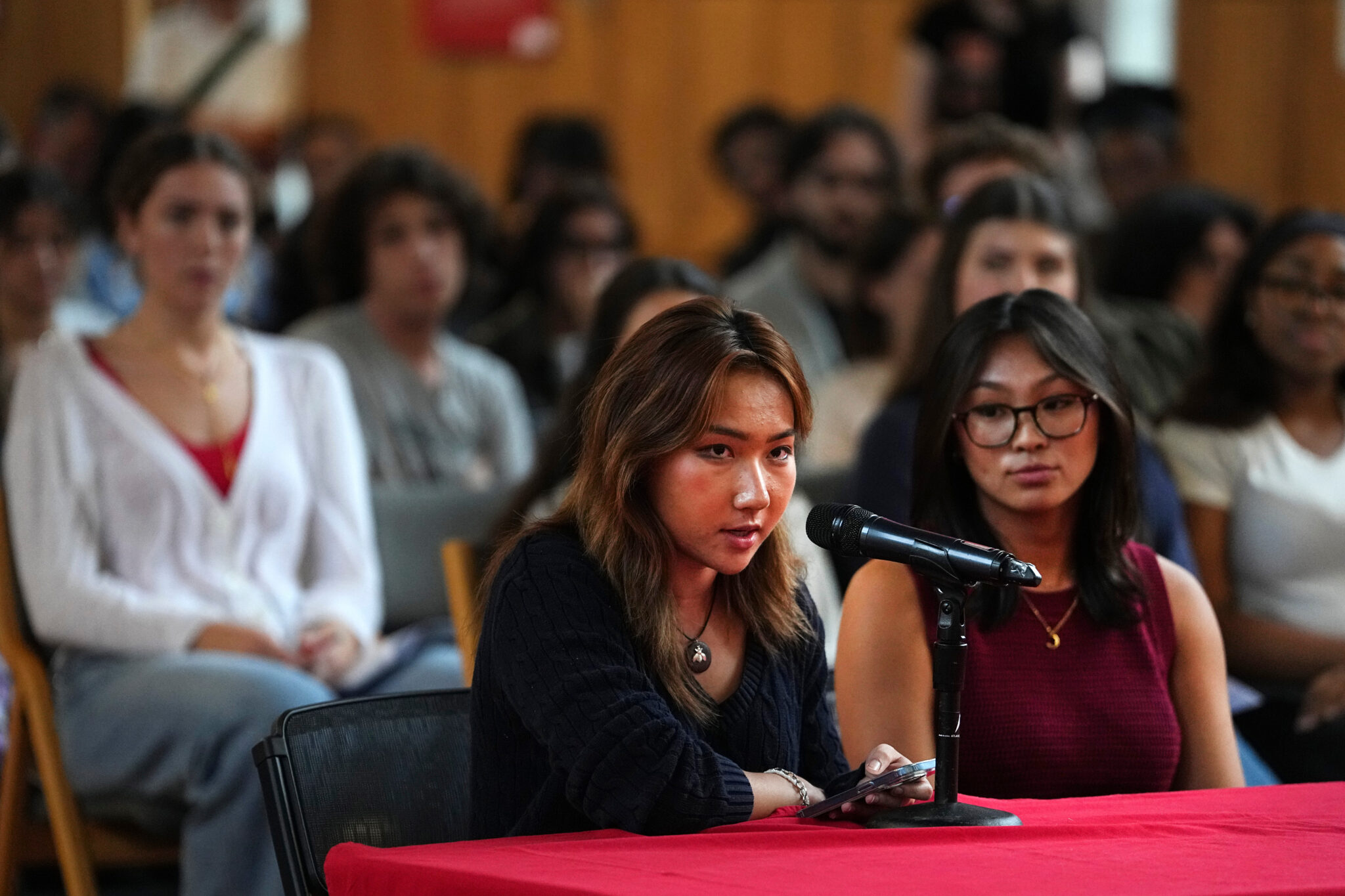
As New York prosecutors reopen a criminal investigation into the alleged gang rape of a young woman by fellow students on Cornell’s campus, this reminds us that the necessity of comprehensive sex education extends far beyond health class standards — it is a fundamental safety issue.
Four years ago, the Central Bucks School District’s right-wing school board approved Policy 109.1, restricting materials with “sexualized content” across all grade levels. That sounds reasonable until we examine its puritanical interpretation. The superintendent was barred from recommending materials depicting sexual acts or nudity, with narrow exceptions for health and science classes. The policy also required parental “opt-in” consent for such materials. Critics of this move, including legal experts, LGBTQ+ advocates, and students, said it suppressed sex education and amounted to censorship appeasing a small group of conservative parents.
As a parent of a student in AP Biology and Anatomy and Physiology, I saw the effects firsthand. I was asked to sign permission forms later found to be legally and educationally unnecessary. The climate of anxiety led teachers to err on the side of extreme caution, stifling essential classroom discussion.
Fortunately, Policy 109.1 has been removed entirely, and related policies (such as Policy 108) have been revised. We owe gratitude to the current school board, which worked tirelessly to undo inherited policies and reopen the door to complete, accurate health curricula.
The fight also touched on how health education is delivered. When upper elementary health classes became co-ed, groups like Moms for Liberty reacted with outrage. Yet co-ed instruction is sound pedagogy. Puberty is a shared human experience, and because it begins at varying ages, often earlier for girls, single sex instruction can leave students feeling unprepared for changes occurring among their classmates. Teaching students together ensures everyone receives the same accurate information about their own development and that of their peers.
READ: Woman Told Cornell Police 2 Years Ago She Was 100% Confident She Was Raped, Report Says
Co-ed classes also normalize respectful cross-gender conversation about bodies and boundaries, building foundational skills for consent and healthy relationships. They counter the implicit message that these topics are shameful, support equity, and accommodate gender diverse students without forcing a binary choice. While some children ask questions more freely among same gender peers, skilled educators will use hybrid approaches. For instance, co-ed instruction supplemented by optional small group discussions to create safe spaces as needed.
There is a cost to silence
The stakes could not be clearer. Roughly 1 in 6 women experience attempted or completed sexual assault. Women between ages 12-34 are at the highest risk. The vast majority of perpetrators are men. That alone underlines the reason why it is so important to engage boys as allies from an early age. It is essential to prevention.
Consider the Cornell case The assault itself was horrific, but equally disturbing was that dozens of students were alerted to what was taking place, yet not a single person intervened.
Let that sink in.
READ: Cornell’s Reckonings With Fraternities Haven’t Prevented Misconduct
Dozens of students knew this alleged gang rape was happening. Not a single person reportedly did anything to stop it.
The silence is often gendered. Men and boys frequently witness warning signs – a coercive comment, a concerning rumor, a friend bragging about crossing the line – and say nothing. Breaking the cycle of violence requires men to challenge misogynistic “locker room talk”, to check in with someone who may be at risk, and refuse to look away. Bystander intervention is taught in every bullying workshop that our children take. It is not just a women’s issue, it is a responsibility we need men to own.
Unfortunately, these incidents are far from unique. High-profile cases such as the transfer student at the University of Texas at Dallas previously involved in a sexual assault case at Baylor, or the assault committed by Brock Turner—highlight a persistent pattern. We continue to see societal rhetoric and weakened protections reinforce harmful dynamics that devalue women and dismiss sexual violations.
Change Starts in Your School District
As we evaluate school health curricula, we must face an uncomfortable reality. Withholding comprehensive education about sex, consent, and bodily autonomy does not protect students – it harms them.
Looking at the current Central Bucks School District Elementary Health Curriculum, the foundation is beginning to rebuild. The curriculum across elementary grades (K–5) covers Human Growth and Development alongside personal health, the human body, HIV/AIDS education, nutrition, personal safety, and substance abuse prevention. At the middle and high school levels, dedicated goal documents for Human Growth and Development and HIV/AIDS provide grade-by-grade breakdowns covering body systems, personal safety, and health standards.
This prepares our students to enter a society that can be unsafe for women, with the hope of making it safer.
By rejecting censorship and committing to thorough, inclusive, age appropriate sex education, school boards and communities empower young people with knowledge, respect, and agency needed to combat sexual violence. That includes teaching all students, but boys and young men, in particular, a crucial lesson – silence enables abuse and their voices may be one of the most powerful tools for breaking the cycle of violence against women.
If you have children in school, I recommend you ask about what they are learning. Help them process what they are learning at home with you. Central Bucks publishes all of the slide decks from their curriculum. This gives parents the opportunity to continue the discussion at home through the lens of what is important to individual families. If you feel that the school could be doing something more or differently, say so. Write to your school board, speak at a meeting, but more than anything, be open and honest with your children so that the stigma and silence around sexual violence might be disrupted.