
Advocacy exists only in the realm of what’s possible and our fight for sexual and reproductive freedom has suffered too long in limited possibilities.
For generations, all that was feasible in Pennsylvania was fighting off abortion bans, restrictions and attacks. In that time, nearly 90% of the abortion providers that were operating in the state had closed because of targeted laws that limited their ability to function. We saw crisis pregnancy centers pop up in every county and capitalize on gaps in sexual and reproductive healthcare and eventually outnumber legitimate abortion providers 9 to 1. Then we saw the fall of Roe v Wade in 2022, the absolute floor of our rights at the federal level.
And in that time, we did what was possible. We beat back bans that would have outlawed abortion before most people know that they’re pregnant. Every year at the ballot box, we fought for change. We’ve won, but the policy wins have been incremental.
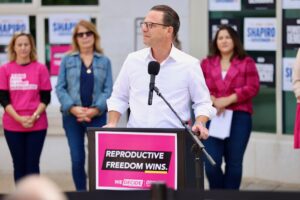
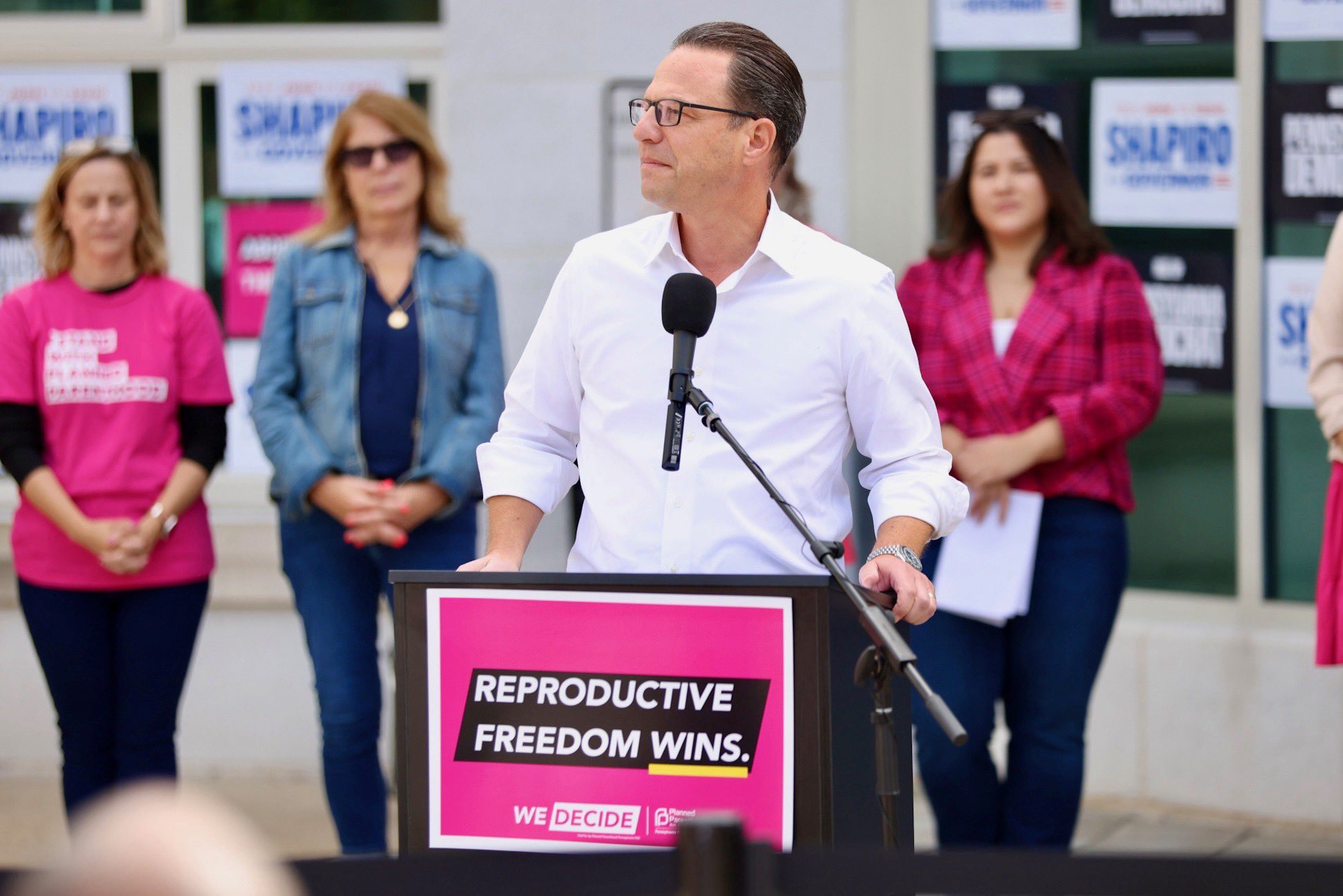
Back in 2015, we elected a slate of Supreme Court judges that believed our right to care was constitutional and unimpeachable, and when they finally were able to rule on that in 2026 – our rights were protected, regardless of income or insurance type. In 2022, when we elected Josh Shapiro as governor, one of his early orders of business was ending the state’s long-standing contract with Real Alternatives, the funder of fake pregnancy centers. In the same year, the Pennsylvania state House flipped and the possibility of constitutional amendments moving through the legislature to erode our abortion rights evaporated.
We’re proud of those wins, and what we were able to do when our possibilities were so limited. But this year, these wins at the ballot box have changed the entire realm of the possible.
In January, we will have a pro-sexual and reproductive healthcare trifecta in our state government for the first time, possibly ever. We have to act, and quickly, on making abortion more accessible. Planned Parenthood PA Advocates supports a three pillar approach for abortion access: removing barriers to care, increasing patient and provider safety, and investing in sexual and reproductive care.
The Abortion Control Act on our books right now is a legislative obstacle course to care. Patients have to receive abortion care only from M.D.s, even though other advanced care practitioners are able to offer this essential care in other states, like New York, Maryland, Montana, Colorado, Massachusetts and dozens more. They have to receive not one, but two appointments, at least 24 hours apart before they can receive care. Minors have to go through even more hoops to terminate a pregnancy – who are often the victims of sexual violence and have the hardest path to abortion care.
Beyond the care that happens in a health center, patients can be harassed and attacked by protestors just outside health center doors, a torment that has absolutely no place in healthcare. The Freedom of Access to Clinic Entrances (FACE) Act, which had protected health centers at the federal level, has been undermined by the current President’s administration but can and should be restored at the state level.
And finally, we can simply make it more affordable to access care. We are just on the heels of the federal defunding of Planned Parenthood which barred PP health centers from being reimbursed for care provided to Medicaid patients. But in Pennsylvania, our health centers didn’t turn anyone away. Even without being reimbursed for care, they continued to provide it. They showed up for patients. It’s time for our government to show up for providers. With state funding directly to health centers, they will be able to offer more services and more providers to patients in need of the full spectrum of sexual and reproductive healthcare. Mandating universal contraceptive care in insurance plans would improve public health and reduce unwanted pregnancy by dramatically expanding affordable access to birth control.
This may seem like an ambitious agenda for care, but creating a pro-sexual and reproductive health trifecta was considered wildly ambitious just a year ago. It’s finally possible to imagine a state where more is possible: more access to care, more freedom to choose, more safety for patients and providers. When the federal and state government were aligned against us, we fought for the very least. But no longer should we have to settle for just keeping care legal, now is the time when meaningful access is possible for every Pennsylvanian.
And we will keep fighting til it’s not only a possibility, but a reality.