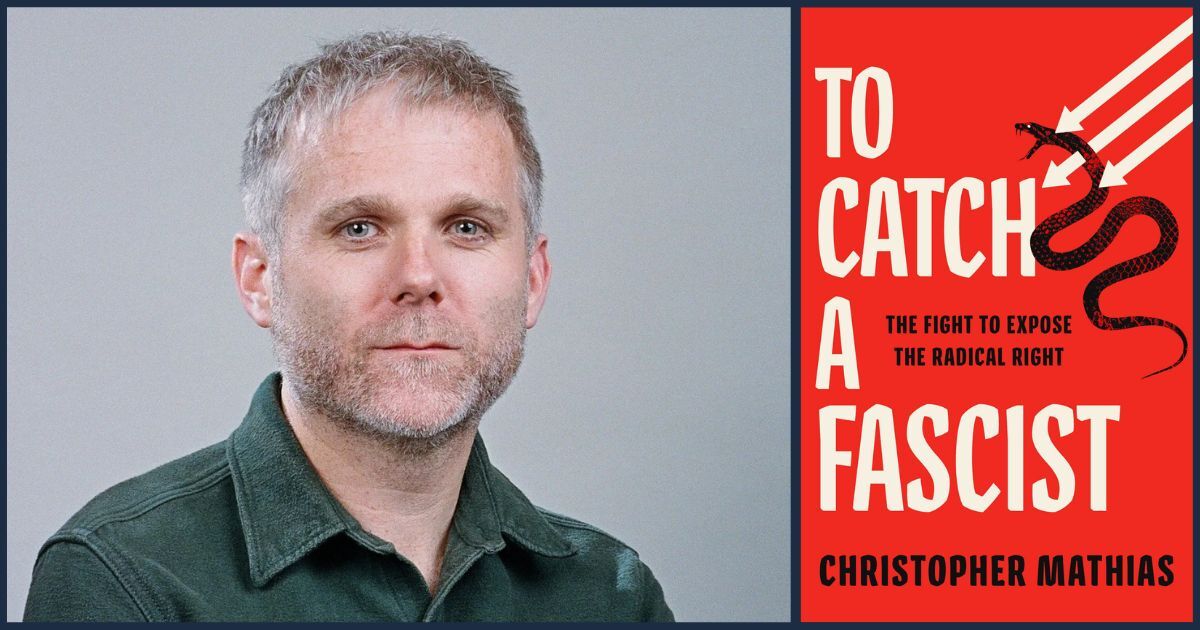
Christopher Mathias’ To Catch a Fascist: The Fight to Expose the Radical Right isn’t just another book about fascists in America – it’s a peak into a world that’s rarely written about. It delves into the real work of Antifa. Unlike the delusional machinations of Fox News’ version of Antifa, this bool actually shows us firsthand what antifascists actually do.
Mathias has long been one of the best journalists working on the extremist beat. Covering the far-right rallies of 2017 for Huffington Post, he made a name for himself, so often getting the story that no one else did. Since then he’s been writing for The Guardian, Zeteo and MSNOW. We met first covering the 2017 Unite the Right Rally in Charlottesville.
You have come out with a fantastic book. I enjoyed the heck out of it. I love the fact that you’ve made the heroes of the book the people that all of us extremist reporters often rely on for inside info: anti-fascists. So what got you thinking that this is the book you wanted to write as opposed to something focusing on the “bad guys?”
There are so many great books over the last 10 years, some of which have been written by our friends about the far right and kind of this explosion in new secretive, mass white supremacist groups. But, as for books about the people fighting those groups, they’re few and far between. Mark Bray released his book about Antifa in 2017. But I think for me when I pitched this book in 2022-23 there was still so many misconceptions and misapprehensions about Antifa out there.
It’s just a remarkable story, it’s a story of everyday people, doing remarkable things, putting their lives on the line, doing honest to God espionage.
There’s so much drama involved, too, like unmasking fascists – that’s a significant thing. So to me, it seemed like a story that was screaming to be told.
My goal was to basically write a spy thriller. That along the way explained some pretty heady shit. So, most writing about anti-fascism, militant anti-fascism, about the left, it’s so good but it can be very, dense and academic at times. And, as I think, discussions about fascism in general.
READ: America Faced Domestic Fascists Before — and Then Buried That History
So it was my goal with this to make anti-fascism really accessible and understandable and inscrutable. And also, I think to, demystify what Antifa is and kind of make its radicalism, more understandable, more palatable, even, and to kind of lay bare that there’s no equivalency between the radicalism of the left and the radicalism of the right.
It’s completely wild that that idea still sticks around.
It implies that there’s this golden center or median in politics. Okay, so during the Jim Crow era, what was the golden center for writing about or thinking about Jim Crow, there wasn’t the correct moral response was to be militantly opposed to Jim Crow.
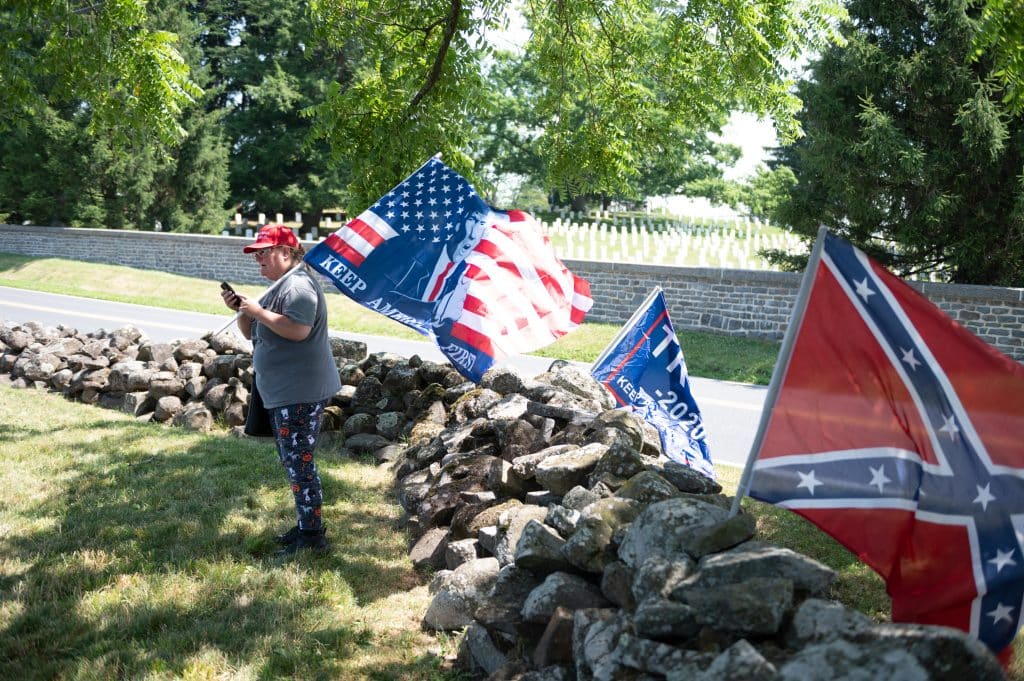
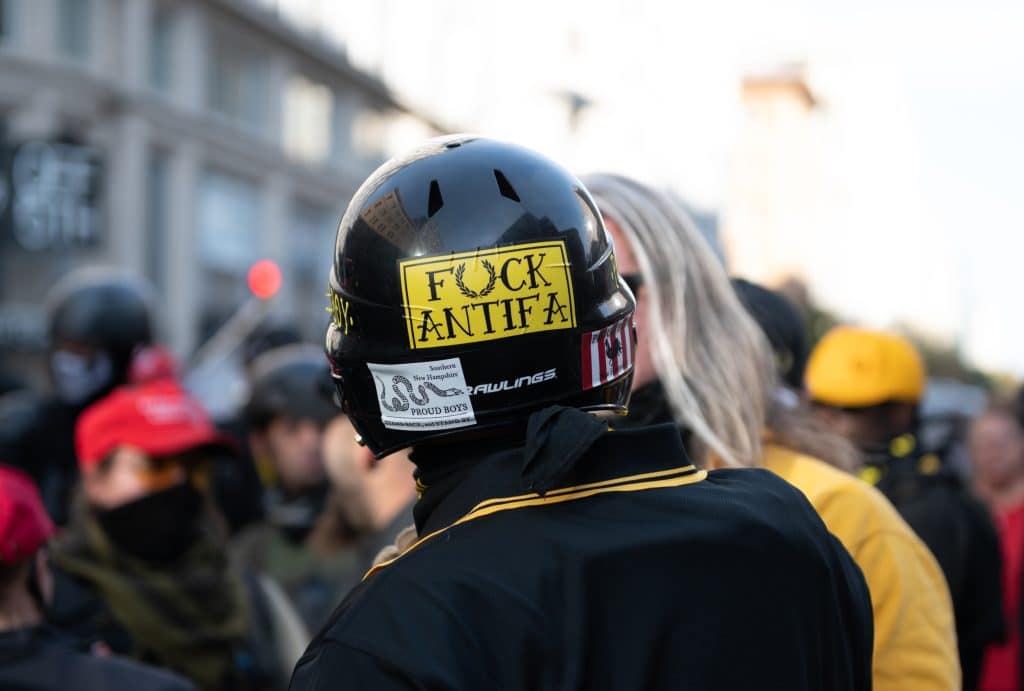
One of the things that you show so well in the book is show that a lot of the work of antifascism is research, not violence, not wearing black masks. As opposed to say the Proud Boys or Patriot Front.
Yes I interviewed roughly 60 people anti-fascists for this book. I think only a handful of them may have ever punched a Nazi or done some property destruction or whatever, granted I was focused on anti-fascist research in this book and espionage and intelligence gathering.
But I also don’t want to downplay the militants. I think the militance is important and very much a part of this kind of the subcultures identity and the way it postures itself. But, it’s militancy is also really rare and selective. Yes. They have punched Nazis. That’s how I think most Americans know about Antifa. Yes, they will take part in some property destruction. And there should be, I should mention, some caveats, like there was one of the stories I tell is [about] Willem van Spronsen, who tried to firebomb some ICE trucks and kind of identified as anti-fascist.
And then you have the story of Michael Reinoehl, also in the Northwest, who during a scuffle with a Proud Boy in Portland, killed a Proud Boy arguably in self-defense. And then arguably was extrajudicially murdered by the Trump administration. But that’s all to say, when you stack it up against far-right violence over the past few decades, it’s really nothing. And far-right violence is selective in a different way. It’s selective in so much as it’s targeting marginalized people and marginalized groups. And that it targets also its opponents with real violence and fatal violence. There’s no equivalency. And the militancy of Antifa represents a fraction of a percentage of what they do. What my talk is about is the bulk of the work they do, which is, I would argue, research and intelligence gathering.
The far right in my experience is pretty easy to get to talk, they often want the media attention – the far left is the complete opposite.
One of the reasons why the right has been able to manufacture an Antifa boogeyman so successfully is that Antifa is so anonymous and anonymous for good reason, which is that they’re protecting themselves from reprisals from the fascists they are researching and fighting and reprisals from prosecution from the state for some of their tactics.
And, and also because I think a lot of people in law enforcement are the far right and want to target Antifa. But as for talking to everyone and getting their trust, I think a lot of my biggest investigations as a reporter prior to the book, were based off anti-fascist research. I think what I was able to do was, I basically trusted anti-fascist research, and I trusted anti-fascists, and I listened to them, whereas because they were sitting on all these dynamite stories they were uncovering secret, white supremacists in real positions of power. They would post these doxxes or research and no one would acknowledge them. The mainstream press wouldn’t really look at them.
READ: The Far-Right Oath Keepers Militia Looks to Relaunch in 2026
So I started to really use their research and trust it and … and in the process of that, I started talking to a lot of them, and I think they learned to trust me and from there kind of snowballed where, when I was interviewing people for the book, I would end every interview.
And I think this is a good practice as a journalist. No matter the subject, but you and the interviewer, just by saying, who else should I be talking to? And by that I was connected to more and more people. And because them talking to me is such a high stakes situation in such a way where they have to be very careful about their identities.
I was very upfront about the fact that they got final say over what they were comfortable telling me.
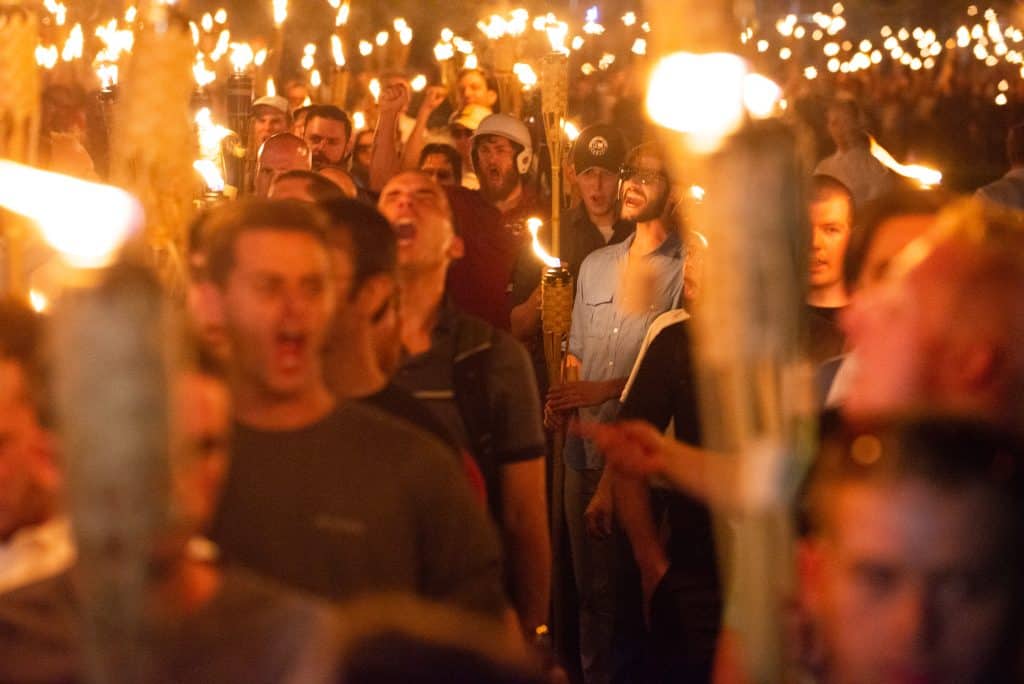
The book also give insight to the difference of how antifascists “doxx” versus say a LibsOfTikTok doxx.
There’s a real kind of informal code of ethics, when it comes to antifascist research and doxing, where they’re very considerate about doxxes and their potential ramifications. So when they’re posting their evidence, for example, of a dox, which might include photos that they found, they’ll be careful to blur out the family members photos.
You know, as a running joke, they play out the dogs photo as well. They do that because they recognize that they’re making a serious charge and that the people in this fascists life might not know what they’re part of. And that they don’t deserve to necessarily to be associated or harangued about this.
And then when it comes to, people under 18, that’s also a really big consideration, because they are just so young and, you don’t want to… you want to give them a chance. You wanna give them an out? I think it’s a common tactic. And I don’t think this made it in the book.
READ: Donald Trump and the MAGA Movement’s Aspirational Fascism
But there’s a few cases where anti-fascists found someone who was under 18, and instead of doxing them, what they would do is they would write an email to the kid’s parents. And basically be like, “Hey, listen, we figured out what your kid is a part of. It’s really dangerous, and you should do something about it.”
There have been some exceptions to that. There was, an 18 year old, in Colorado who was a big lacrosse player. And he, an anti-fascist had identified him but opted not to publicly identify him because he was so young, but they’re still keeping an eye on him. And they noticed that his threats, violence were really escalating and becoming more dangerous.
So they made the decision to identify him publicly. His high school barred him from walking at graduation as a result of it. Part of the story that my book tells about him is that after that incident, he nevertheless was allowed to matriculate at Colorado, University of Boulder, which precipitated this other drama where students didn’t like that he was on campus and had questions for why the university had allowed him to enroll. That’s all to say. There are a lot of considerations and ethics that go into publishing doxx. The kind of considerations and ethics that the far right would never give a shit about when they doxx someone.