Several years ago, I spoke with State Senator Jarrett Coleman about his efforts to divert public education funding toward private schools. I asked him what happens to public schools when their funding is reduced. What happens to districts like Allentown, where many students face economic hardship, and schools must stretch limited resources to meet their needs?
He answered, “They have to compete.”
That answer has stayed with me. Children are not commodities, and public education is not a business competing for customers. It is a public responsibility.
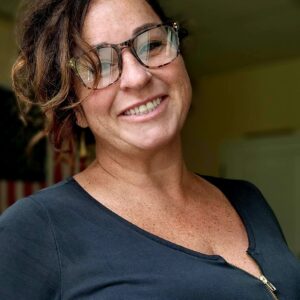
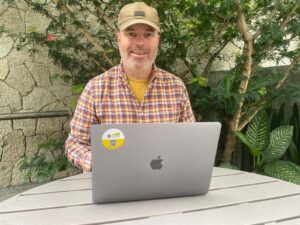
I am not an educator, but I became involved in defending public education after seeing what happens when systems fail the people who depend on them. As a parent of Pennridge children, I believe community means supporting everyone, not just those who can afford alternatives.
Coleman’s support for expanding school vouchers, alongside substantial financial support from billionaire Jeff Yass, concerns me.
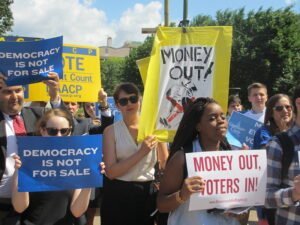
Campaign-finance reporting shows that three committees funded by Yass contributed $883,621.50 in contributions and in-kind support benefiting Coleman through May 2026. Much of that support was advertising paid for on his behalf. Yass is a major advocate of taxpayer-supported private school vouchers. Voters deserve to know who is investing heavily in electing their representatives and what those representatives are advocating.
Private education vouchers receive funding through Pennsylvania’s EITC and OSTC-related tax credit programs that subsidize scholarships for private and religious school tuition. The 2025–26 budget authorized $575 million in combined tax-credit caps across EITC, OSTC, and the related EDS program. These significant public tax expenditures deserve scrutiny, especially as public schools continue to face substantial unmet needs.
READ: State House Passes Bill to Finally Bring Transparency to Pennsylvania’s School Voucher Program
That distinction matters, particularly for students with disabilities and children who experience discrimination. Public schools must comply with federal special education law and provide eligible students with legally protected services under their IEPs. Students in private schools do not automatically retain the same individual entitlements and procedural protections under IDEA. Public schools also operate under extensive civil-rights requirements, including federal protections against discrimination based on race, disability, and sex. Private schools do not face the same requirements; some may be exempt from particular federal or state protections. When public money supports private education, families deserve transparency about the protections that may not follow their children.
Meanwhile, public schools educate every student who enrolls, including children with disabilities and those requiring additional academic and behavioral support. They must fund special education, transportation, staffing, classroom resources, and enrichment programs. Pennsylvania’s school-funding system has long struggled to provide high-need districts with equitable resources. Children in communities like Allentown deserve opportunity, not a system that tells their schools to compete with fewer resources.
Here in Upper Bucks, our schools face mounting budget pressures too. We should strengthen public education, not expand practices that risk further undermining it. Public schools are accountable to taxpayers and must serve their communities regardless of a student’s background, ability, or family income. Coleman’s approach risks shifting public resources away from that universal responsibility and toward a system with different access and accountability requirements.
Mark Pinsley, on the other hand, supports strengthening public education and keeping it accessible to everyone. He offers concrete solutions, including legislation to keep school subsidies flowing automatically when the state budget is late, helping districts avoid borrowing to meet their obligations. He also proposes free, state-funded tutoring for every child who is not reading at grade level by the end of first grade, continuing until that child catches up.
Q&A: Democratic State Senate Candidate Mark Pinsley on Data Centers, Flock Cameras, Health Care and More
The need for intervention is real. Over eight years, Quakertown Community School District’s reading proficiency rate fell from 82% in 2014 to 56% in 2022—a decline of about 32 percentage points. Our children need solutions that close learning gaps, not funding cuts that put public education at greater risk.
Coleman wants public schools to compete for resources. Pinsley wants to invest in children and help them succeed.
Pennsylvania needs reliable funding, early intervention, and a commitment to strengthening the schools that serve everyone—not policies that shift public resources toward private education while leaving public schools responsible for every child.
Every child deserves a quality education—not just the children whose families can afford to walk away. Public education needs a champion, not someone who undermines the system our communities depend on. I believe Mark Pinsley is a leader who will fight to strengthen public education, protect funding for our neighborhood schools, and ensure every child has the opportunity to succeed, regardless of their family’s income.