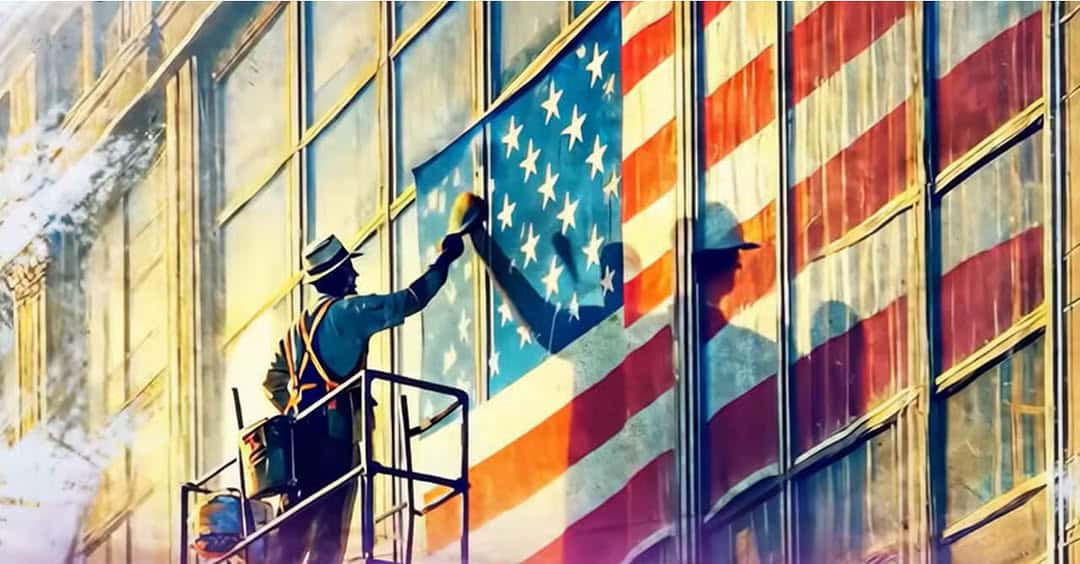
Likened to those who meticulously clean and care for skyscraper building windows, PA Humanities Window Keeper Civic Honors Award recognizes those who provide a transparent lens into our cultural melting pot and often marginalized communities.
PA Humanities seeks nominations from the public, which remain open until July 31. PA Humanities, formerly the Pennsylvania Council for the Humanities, launched The Window Keeper Civic Honors Award to recognize those who quietly do the hard work of cultural remembrance – and share it with others.
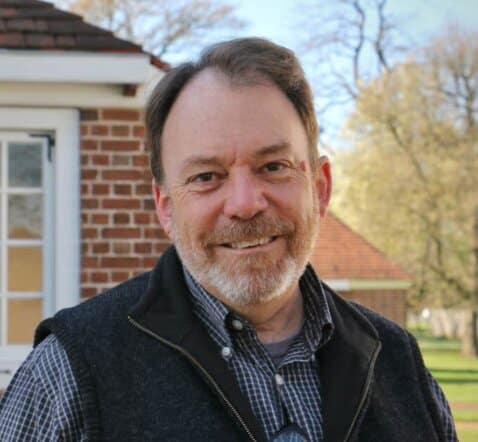
“Museums should always be primary source material for truth seekers and provide the best information we can, so we can learn from history and appreciate it,” said Doug Miller, a Bucks County award nominee.
Miller, who is among the first batch of 25 nominees, is the site administrator and museum director of Pennsbury Manor, a roughly 43-acre historic site located in Morrisville along the Delaware River and the former country estate of Pennsylvania founder William Penn (1644-1718.)
Miller was selected to receive the award honor for sustaining civic life and building strong communities as we approach the nation’s semiquincentennial celebrations on July 4.
“When we looked at all of our partners Doug stood out” to receive this honor, said Dawn Frisby Byers, senior director of content and engagement at PA Humanities.
“When we launched the program and Window Keeper Civic Honors, we named 25 people from across the state we know fit the profile. We were happy to nominate him,” Byers added.
Miller said while Penn, a Quaker, is known for many Colonial achievements, his critics are quick to overshadow the positives with the fact that he kept about a dozen enslaved people to help work and operate Pennsbury Manor during his time there.
“During the 1990s Pennsbury worked with the [PA Humanities] council to bring an academic historian and partner them… to explore the African American people here at Pennsbury – who were enslaved people,” Miller said.
In addition to his work at Pennsbury Manor, a “living history” museum depicting Colonial-era life, Miller and his team bring attention to other underserved communities; such as Colonial woman and the native Lenape Nation during America’s early colonization. Miller also serves as an historic panelist and resource to other groups and agencies.
Miller’s efforts include sharing Lenape stories through partnerships with Lenape Nation representatives and telling about their forced removal from ancestral lands.
In Bucks County the notorious 1737 Walking Purchase; and the subsequent national 1830 Indian Removal Act, which forced native peoples across the country out of their homelands.
While William Penn had dealt fairly with native people during his time living in Pennsylvania; his sons and managers did not.
“Museums should always be primary source material for truth seekers and provide the best information we can, so we can learn from history and appreciate it.” – Doug Miller
The Walking Purchase cheated the Lenape out of 1.2 million acres in what had been agreed to be a “walking” pace.
When the day came for the walking purchase agreement over one and a half days of continuous travel and stretching to about 70 miles, three men who had trained for several days ran the land purchase distance instead, “swindling” the Lenape out of roughly 1.2 million acres of sacred ground.
Miller said working with Lenape Diaspora, now primarily living in Oklahoma and Wisconsin, to retain a strong cultural bond with their ancestral homelands of Delaware, Pennsylvania, New Jersey and New York is of vital importance.
Bringing Lenape people to Pennsbury is part of the site’s mission and outreach to keep native stories alive through their descendants at places like Pennsbury Manor through a variety of programs and other events.
READ: Red, White and Blue: A Strategy for Survival as Native Americans Navigate 250 Years of History
“School children come and meet the descendents of those people they studied in school,” he added, “and the humanities provide enrichment in our lives and opportunities to our children.”
“The Window Keeper,” by Philadelphia Poet Laureate Yolanda Wisher, is a poem commissioned by PA Humanities and ArtPhilly. It was read by Wisher at America250PA’s national convening of states and partners dinner on Sept. 21, 2024.
Wisher’s work encapsulates the idea of the civic awareness, describing the qualities, complexity and vital roles of window keepers as guardians of democracy in the commonwealth – and across the nation ahead of the country’s birthday celebrations, according to Byers.
“We should peer into the past and see the world with clarity, precariously precise. We should wonder in awe, at someone so bound and yet set free,” Yolanda Wisher said in an illustrated video reading of her work found on the PA Humanities website.
READ: How Harriet Tubman and Philadelphia Abolitionists Coordinated Dangerous Journeys to Freedom
According to Byers, anyone can nominate a candidate to become a PA Window Keeper. The nomination timeframe continues until July 31. To learn more about the initiative, submit a candidate and explore the first 25 Window Keeper nominees, visit here.
Nominees must be 18 or older, and they cannot be an elected official, Byers said.
The Window Keeper: Civic Honors award initiative is supported by Pennsylvania state legislators, the Pennsylvania Department of Community and Economic Development, the National Endowment for the Arts and individual donor Randall Miller, a PA Humanities press release said.
“PA Humanities has demonstrated how stories, dialogue, and reflection can strengthen communities and expand participation in civic life … The Window Keeper initiative builds on this work at a pivotal moment, as the nation marks the 250th anniversary of the signing of the Declaration of Independence,” the press release stated.
“There is a need at historic sites – and overall – for public support. NPR and Voice of America have been defunded, if we value these things, we as citizens should treasure and be willing to invest in them,” Miller said.