
Preeclampsia, a severe condition caused by pregnancy, strikes about one in 12 American women.
The staggering statistic reported by the Preeclampsia Foundation may not account for the rare onset of preeclampsia symptoms during the postpartum period – the days and weeks after a child is born – and the serious risks to a new mother.
Casey Keen of Doylestown wants more people to do and know more about the risks and dangers of pregnancy and postpartum preeclampsia – as well as where to find help and support before the condition escalates.
“I was suffering [from preeclampsia] postpartum, which I didn’t understand wasn’t normal. I found the education for mothers around postpartum is lacking – including checklists for anxiety or depression – and I wasn’t educated about this,” Keen explained.
In early talks with the Village Improvement Association (VIA) in Doylestown, Keen aims to craft educational panel discussions and postpartum mental health care awareness resources and tools.
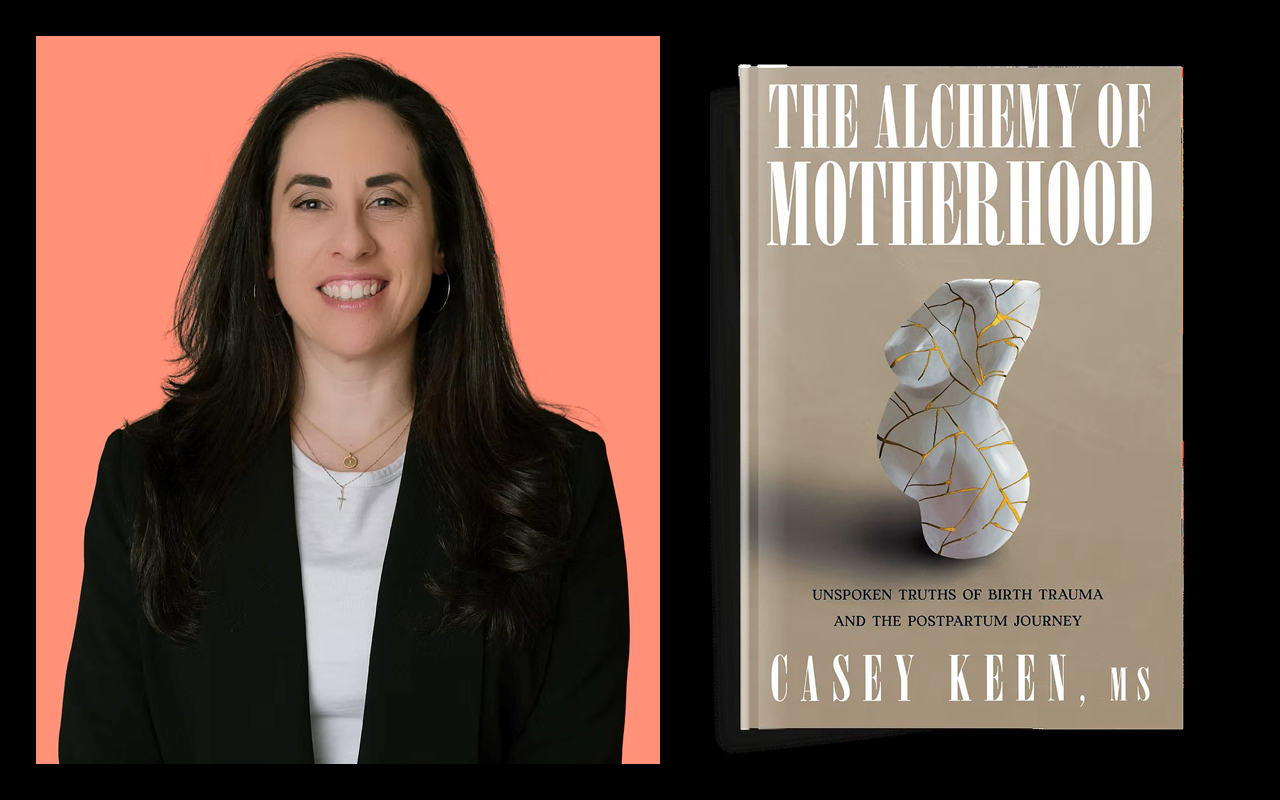
Keen is the author of a new book, The Alchemy of Motherhood: Unspoken Truths of Birth Trauma and the Postpartum Journey (Cynren Press, ©2026), published in May.
“The Alchemy of Motherhood is a grassroots outreach to educate pregnant women and those who have been through it,” Keen said.
After writing and publishing the book, Keen set out to reach as large an audience as possible.
Preeclampsia is among the most significant blood pressure-disorder complications of pregnancy. The condition impacts moms, babies and their families around the world.
In its May report, Preeclampsia Foundation reported the condition kills about 76,000 mothers and a half million babies world-wide. While about 80% of new and expectant U.S. moms are aware of the condition, only 8% “could correctly name all of its major symptoms.”
Preeclampsia, or pregnancy induced high blood pressure, is characterized by soaring blood pressure readings, protein in urine, severe headaches, vision changes and sudden swelling in the hands and face, among other hallmark features.
Severe preeclampsia can lead to life-threatening and potentially disabling eclampsia, which can cause seizures or stroke, brain swelling, damage to organs like kidneys and the liver and in some cases, death. Eclampsia is a medical emergency.
While both conditions typically occur after 20 weeks of pregnancy, the only “cure” is to deliver the baby.
Postpartum preeclampsia, the condition Keen experienced, is considered rare and can occur within the first seven days after delivery and as long as six weeks from birth.
“When [people] aren’t educated about postpartum, that puts an [undue] burden on mothers,” Keen said.
She said teaching new and prospective moms how to advocate for themselves, including a thorough understanding of their conditions and rights during this fragile period in their lives is part of the “advocacy side of my business.”
“Loss of control, feeling powerless, neglect – there’s a long list of things that can happen to mothers in that setting,” Keen explained.
Her goal is to have fewer new mothers experience what she endured after the birth of her own child.
Through her experience, Keen discovered few or no guidelines for postpartum checkups at six weeks. She couldn’t find a list of questions to ask care providers during appointments, check ups or what to do if she had questions outside those scheduled times. Keen said she didn’t know or understand what to expect during her postpartum experience.
The National Institutes of Health National Library of Medicine includes standard postpartum care for new mothers on its website.
The list includes various routine steps for postnatal health care visits, common post birth conditions and care issues, and brief descriptions of some “issues of concern,” where it noted about 40% of women do not seek postpartum care after their babies are born.
“Two-thirds of maternity-related deaths happen in postpartum or about 67% in the first year, which is when moms aren’t typically monitored at all,” she added.
A brief summary of pregnancy-induced hypertension notes the risk is higher within 48 hours of delivery and up to seven days of delivery. The potential risk as long as six weeks after pregnancy ends is not noted on the website.
Preeclampsia is noted as a risk factor in postpartum DVT or deep vein thrombosis (blood clots in the leg) and pulmonary embolism, both of which are medical emergencies.
Among the leading causes of new mother’s deaths include suicide, overdose and hypertension related causes, according to Keen.
Women who suffered preeclampsia have a three-fold higher rate of stroke later in life over women who had not experienced the condition, according to JAMA Network. JAMA is a peer reviewed collection of medical and surgical journals published by the American Medical Association.
Keen holds a master’s degree in forensic medicine from Philadelphia College of Osteopathic Medicine and a bachelor’s degree in psychology from Drexel University.
She is the author of Postpartum Alchemy, a Substack on birth trauma and the structural gaps in maternal healthcare.
“A lot of women have been through birth trauma, and they feel vindicated and less alone with someone else who shares their story,” Keen said.