We are all being inundated with America 250 messaging. It is a milestone worth celebrating, and an occasion that demands reflection and honesty.
The men who signed the Declaration of Independence wrote that “all men are created equal, that they are endowed by their Creator with certain unalienable Rights.” They meant this quite literally. The men they had in mind were white, propertied, and free. Women had no civic identity. Enslaved people were counted as three-fifths of a person for the purposes of representation and not at all for the purposes of rights. Indigenous people were written out of the American story all together. The truth of Life, Liberty, and the pursuit of Happiness was far from self-evident for most Americans.
The Long Arc
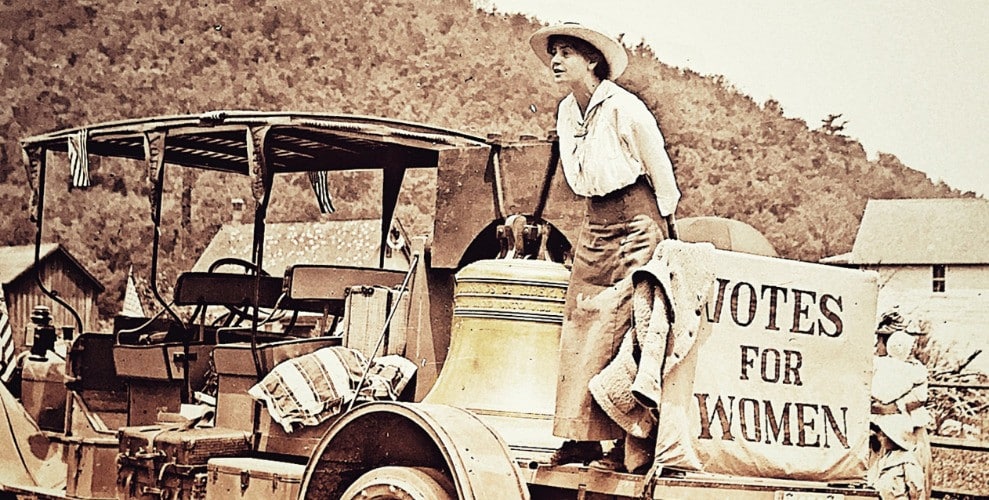
Yet, over the past two centuries, the United States has been served by countless visionary Americans who both recognized the promise of the Declaration and saw where that promise fell short, then dedicated their lives to extending that promise to all citizens. Women spent nearly a century organizing, marching, and demanding the right to vote before the 19th Amendment was ratified in 1920. The Americans who marched across the Edmund Pettus Bridge, who sat at lunch counters, and rode buses across the South were not just demanding rights for Black Americans. They expanded what rights meant for all of us.
Two hundred and fifty years after the Declaration of Independence was signed, we have come a long way and there remains a great deal of work to do.
The Road Ahead
Here is the honest assessment that this anniversary requires: the rights we have are not as secure as we believed, and the work of expanding them is not finished.
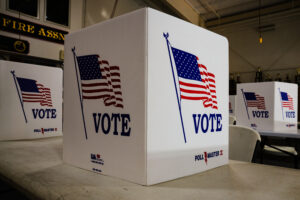
The Voting Rights Act, once called the most effective civil rights legislation in American history, has been significantly weakened by Supreme Court decisions over the last decade or so, leaving millions of voters with fewer protections against discriminatory election laws and fewer avenues to challenge these laws. States across the country have enacted restrictions that make it harder to register and harder to vote, while drawing electoral maps that call into question the promise of representative democracy. In Pennsylvania, the patchwork of county-by-county election rules determine whether your vote gets counted. This is not an accident; it is the predictable result of a system that has never fully committed to equal access.
Women’s rights are also under sustained pressure in ways that would have been difficult to imagine a decade ago. The overturning of Roe v. Wade in 2022 was not just a ruling about abortion, it was a signal that rights long understood to be settled could be reconsidered. The SAVE America Act, still alive in the Senate, could make it harder for 69 million women who have changed their name in marriage to vote, among millions of others who would be affected. Reproductive autonomy, equal pay, protection from discrimination, access to healthcare, and voting rights are not abstract policy debates. These are the conditions under which women live, work, raise families, and participate in public life.
And, for far too many Americans, particularly those in Black, brown, Indigenous, and immigrant communities, the gap between the promise of equality and democracy and the reality of daily life remains wide and painful.
Anniversaries often invite us to look backward. This 250th anniversary should compel us to look forward with eyes wide open.
Celebrating 250
We should celebrate what Americans have built together: a democracy that has, again and again, bent toward greater inclusion. We should honor the people who made that bending happen, many of whom paid an enormous price for it. And we should be honest that the bending is not finished, that rights are not self-executing, and that democracy does not defend and sustain itself.
It sustains itself because people show up. Because they register and vote. Because they organize and advocate. Because they refuse to let the gap between the American promise and the reality of lived experiences remain and grow.
The founding principle of equality was aspirational in 1776. It remains aspirational today. The question each generation must answer – the question we must ask ourselves – is whether we will do the work to make it real. Two hundred and fifty years in, that work continues. And it belongs to all of us.