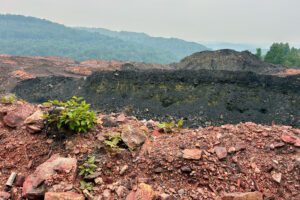
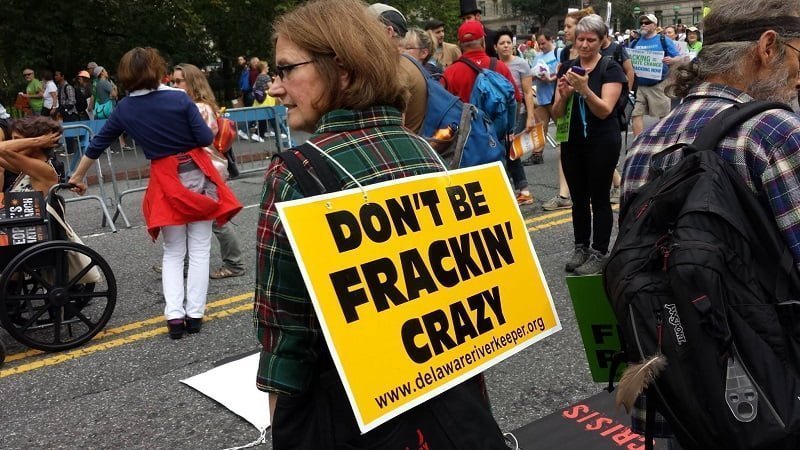
A few decades ago, Pennsylvania stood at a critical crossroads during the dawn of the fracking boom. Eager for economic growth, state leaders allowed powerful oil and gas interests to dictate the rules, effectively blocking meaningful regulation of a burgeoning, extractive industry. Today, our communities are still bearing those deep scars — enduring damaged water supplies, toxic chemical exposure and natural gas wells spewing pollution near homes and schools.
Now, we are on the precipice of making the exact same mistakes with a brand-new industry: artificial intelligence and data centers.
Pennsylvania is currently in the middle of a massive digital gold rush, with dozens of large-scale data centers proposed, planned or under construction. While tech executives promise economic windfalls, these facilities are aggressively resource-intensive, demanding vast amounts of electricity and water.
Without swift state intervention, this unregulated stampede threatens to derail our climate goals, overwhelm local infrastructure and spike electricity bills for working families.
We are already seeing this strain play out in Bucks County. In Falls Township, a massive, 2 million-square-foot Amazon Web Services data center is taking shape on 250 acres at the Keystone Trade Center. Local residents have packed public meetings, deeply worried about noise pollution, immense water consumption, and the strain on the local power grid.
Yet, local officials have been forced to admit their hands are tied. Because Pennsylvania’s outdated land-use laws provide no specific guidelines for projects of this astronomical scale, municipalities lack the tools to close predatory zoning loopholes.
Fortunately, Democrats in the state House of Representatives have provided a blueprint to protect us, passing a comprehensive legislative package designed to mitigate the damage this growing industry can have on local communities and our wallets.
Chief among them is House Bill 1834, which would protect working families and local businesses from skyrocketing electricity costs. It would ensure Big Tech pays for its own multi-million-dollar grid upgrades instead of shifting costs onto families, while mandating that 25% of their energy comes from clean sources. Crucially, recent amendments ensure this new clean energy will be built right here in Pennsylvania using union labor — guaranteeing family-sustaining jobs.
READ: An Outpouring of Frustration Over Pennsylvania’s Rapid Data Center Growth
Governor Josh Shapiro is also moving in the right direction, recently unveiling new data center principles. Dubbed the Governor’s Responsible Infrastructure Development (GRID) standards, his plan establishes vital parameters: If a data center wants state economic incentives or fast-tracked permits, it must bring its own power to the table, protect local water resources and utilize registered apprenticeship programs.
But here’s the catch: Under the current framework, the Governor’s GRID principles are strictly voluntary. If a multi-billion-dollar tech giant decides it doesn’t need state tax credits, it can simply ignore these guidelines, exploit local zoning gaps and build anyway.
To truly protect Pennsylvanians, the legislature must enshrine the GRID principles into state law and make them mandatory for all developers.
Right now, that effort is being blocked by a partisan wall. While House Democrats did their job and passed many of these crucial protections, Senate Republicans have refused to bring any significant data center bills to the floor for a vote.
By stalling this package, the Senate majority is effectively disarming communities like Falls Township, leaving families and local businesses exposed to skyrocketing energy costs in the middle of an affordability crisis.
We are not anti-progress or anti-technology.
But we refuse to let Big Tech treat Pennsylvania as an unregulated playground, just as Big Oil did years ago.
It is time for Senate Republicans to step up, protect our communities and pass this data center safety package immediately. We cannot afford to be saddled with the fallout of another extractive industry.