Every month, around kitchen tables from Yardley to Erie, Pennsylvania’s working families are forced to have the exact same anxiety-inducing conversation. With stagnant wages failing to keep pace with the rising cost of living, parents are sitting down, opening their utility bills and wondering how they are going to make ends meet. Local businesses, the very backbone of our commonwealth’s economy, are making similar agonizing calculations just to keep their lights on and their doors open. We are in the midst of a full-blown energy affordability crisis.
Pennsylvanians desperately needed a lifeline from Harrisburg this summer. Instead, what they received from the newly passed state budget was a painful lesson in political obstruction. The latest state spending plan is ultimately a status quo budget for a time that is anything but status quo.
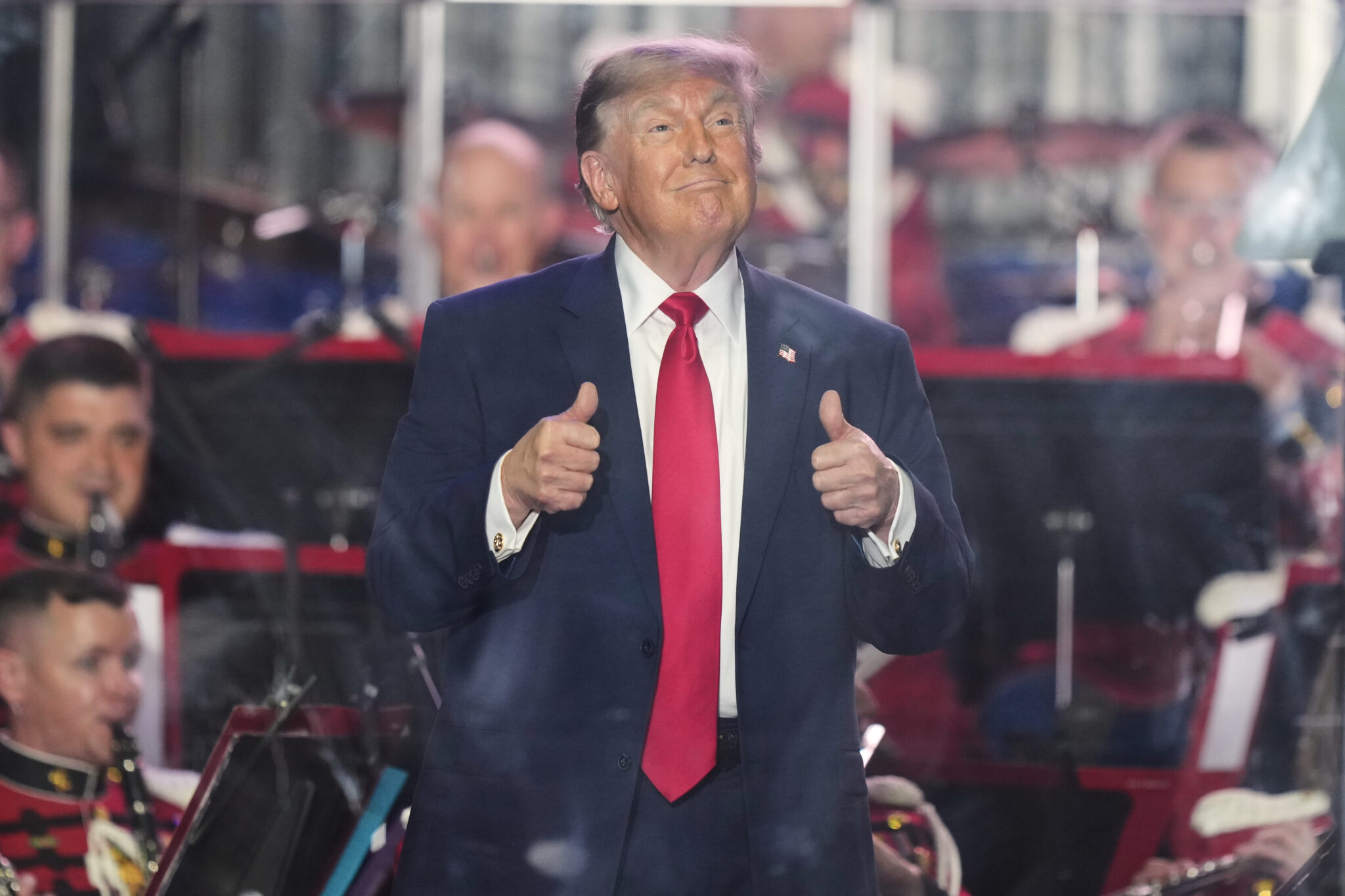
To understand how we arrived at this breaking point, we have to look at the disastrous collision of national policy failures and obstruction in Harrisburg. Donald Trump’s failed policies are relentlessly driving up energy prices, placing an unbearable burden on everyday Americans. By rolling back billions of dollars in critical clean energy investments, the Trump administration has effectively handcuffed our ability to transition toward cheaper, domestic and renewable power sources while further enriching billionaire oil and gas CEOs.
READ: Tax Corporate War Profiteers Making a Killing on Iran Conflict
Instead of moving toward energy independence through wind and solar, we remain dangerously tethered to the volatile global fossil fuel market. This vulnerability has been laid bare by the ongoing war in Iran, a geopolitical nightmare that has sent shockwaves through international oil and gas markets. When global conflict erupts overseas, it is Pennsylvanians who are left footing the bill. Working families are paying the price every time they flip a switch or fill up their gas tanks.
As if the international energy crisis wasn’t enough, Pennsylvania is currently facing an additional threat to our energy grid: the massive, unregulated explosion of Big Tech data centers in our commonwealth. These massive facilities, which process the world’s digital information and power artificial intelligence, require an astronomical amount of electricity and water to operate.
While the tech industry touts innovation, they are quickly straining our state’s energy infrastructure to its absolute limits. Unchecked data center growth inevitably means that utilities must expand grid capacity, and under the current rules, those infrastructure upgrade costs are passed directly onto ordinary ratepayers. Big Tech companies, along with oil and gas billionaires and greedy utilities, continue to rake in record profits. Meanwhile, working-class Pennsylvanians and small business owners are the ones left holding the bag.
This dynamic — global price spikes compounded by skyrocketing local energy consumption — demanded immediate and decisive legislative action. Throughout this legislative session, Democrats in the state House of Representatives worked to advance legislation to expand access to cheaper clean energy through commonsense proposals, like making our state’s warehouses ready for solar panels, and promoting energy efficiency.
Crucially, House Democrats also passed a comprehensive package specifically designed to limit the impact of data centers on our environment, our local communities and our wallets.
But when it came time to negotiate the state budget, Senate Republicans outright refused to advance serious energy policies. Time and again, they were presented with commonsense legislation that could have put Pennsylvania at the forefront of the clean energy economy and protected consumers. Time and again, they chose to obstruct. By blocking these vital reforms, Senate Republicans chose to leave ordinary Pennsylvanians on the hook.
To be clear, there are minor positive steps forward in this budget that we can applaud, including continued investments in the wildly successful Solar for Schools program and requiring data centers to report on their energy and water usage. However, these modest wins stand in sharp contrast to the sweeping, transformative progress that could have been achieved if Senate Republicans hadn’t actively blocked meaningful relief. A few minor reporting requirements will not lower a senior citizen’s soaring electric bill during summer heat waves.
Pennsylvania’s working families cannot afford to wait for relief, and they cannot afford leaders who are content with managing our decline. Senate Republicans have profoundly failed the commonwealth. By obstructing clean energy investments and shielding corporate polluters from accountability, they have signaled exactly where their loyalties lie.
But the final word will not belong to the politicians in Harrisburg. Voters are paying attention, and they will be watching closely as we head into critical elections in the fall that will determine control of the state legislature. We can no longer allow gridlock to stall the meaningful progress our commonwealth needs. It is time to elect leaders who will chart a sustainable, affordable future for all Pennsylvanians — not just the wealthy few.