
Imagine discovering your child has been keeping something from you. You press her on what she is hiding, only to find out that she is being bullied and harassed at school because of her race. Students in her class have added her to a chat titled “fuh n*****s go back to picking cotton.” Your child is hurt and ashamed. She wants help, but she is afraid that telling adults at school will only get other students in trouble and make things worse. Now you are caught in a bind, too. If you respect your child’s wishes, you leave your child and other children vulnerable to continued hatred and harassment. If you report it to school staff, they may do nothing to prevent it from happening again—and your child may face more attention and harassment for reporting other students.
This is a real story shared by a parent just this month. For families in Bucks County, discrimination is not an abstract legal theory. It looks like children being called the n-word in class and online, bathroom rules that put LGBTQ+ students in danger, and Black families being forced to move out of fear for their safety.
For parents, the question is not simply whether a school has a policy prohibiting discrimination. It is whether that policy actually protects children when discrimination occurs.
Local parents and students have encountered repeated racial slurs in the halls of schools and at home on social media for years. In 2022, I told the Pennridge School Board about emails from parents whose children, some as young as second grade, had been called “Bl*ckey,” the N-word, and other slurs at school. Black students reported having their hair touched without their consent and being mocked for how different it was. Peers asked Black students to show the palms of their hands to see how dark they were.
A Black family faced discrimination so severe that they had to leave the district out of concern for the physical and mental health of their children. Each of their children showed changes in their personality following their time in Pennridge, and each has since been diagnosed with anxiety disorders in part due to the racial harassment they faced.
The harassment is not limited to race. LGBTQ+ students have reported having trash dumped on their heads as they tried to use the restroom. Another overheard a student say if his sister was a lesbian, he would “shoot her with a gun.” When staff reported this to administrators, they failed to investigate.
READ: Trump Administration Moves to Limit Fixes for Systemic Racism in Schools
My husband and I shared part of our experience raising two Black daughters in the PBS documentary Bucks County, USA. We chose to build our lives here; this is our home. Loving a community does not require silence when children are harmed. In fact, it’s the opposite. We speak up because our children and every child deserve to belong here.
When local schools fail to respond to discrimination, they create a hostile environment, and families need somewhere to turn. That is why federal civil rights actions matter; they offer families another route to assert their civil rights and seek positive change for their family and community. But in March 2025, the Department of Education cut an estimated 299 of 575 positions in the Office of Civil Rights (OCR). Roughly 90% of the 7,000 complaints resolved between March and September 2025 were dismissed without investigation. The agency also closed 7 of its 12 regional offices, including the Philadelphia office. This is the practical effect of rolling back civil rights protections.
When relief is delayed, vulnerable children are stuck enduring hostile environments at schools. Parents are forced to choose between sending their kids to a place rampant with harassment or uprooting their lives to protect their children.
The administration has also removed federal Title VI disparate-impact regulations. These rules previously allowed federal agencies to examine certain facially neutral school policies that produced unjustified discriminatory effects, even without proof of discriminatory intent. A disparity alone never automatically established a violation, but the framework helped investigators ask why patterns in discipline and educational access occurred. The loss of this enforcement tool is distinct from and compounds the reductions in OCR capacity.
If federal enforcement tools are less accessible, what is left for Pennsylvania families?
One important resource is the Pennsylvania Human Relations Commission (PHRC). Pennsylvania law prohibits discrimination in education based on race, color, national origin, sex, sexual orientation, gender identity, and gender expression. These protections exist regardless of what the federal government is doing at a given moment. A family who faces harassment or is treated differently because of these protected classes can file a complaint with the PHRC. You typically have 180 days from the incident to file, but for kids, that timer doesn’t start until they turn 18.
READ: Trump Ramps up Education Department’s Dismantling With Changes on Special Education and Civil Rights
Last year, the PHRC released additional guidance on how bullying and harassment can cross the line into illegal discrimination. When bullying is tied to a protected class, it may be considered unlawful discrimination. Schools must act if they know, or should have known, about harassment.
Discrimination isn’t just overt.
Instead of focusing on whether schools meant to hurt children, we must focus on the harm our children endure when schools don’t work vigorously to keep all students safe on campus. This means holding schools accountable when they know students are being treated unfairly and choose not to act, or implement rules that, in practice, harm some children more than others.
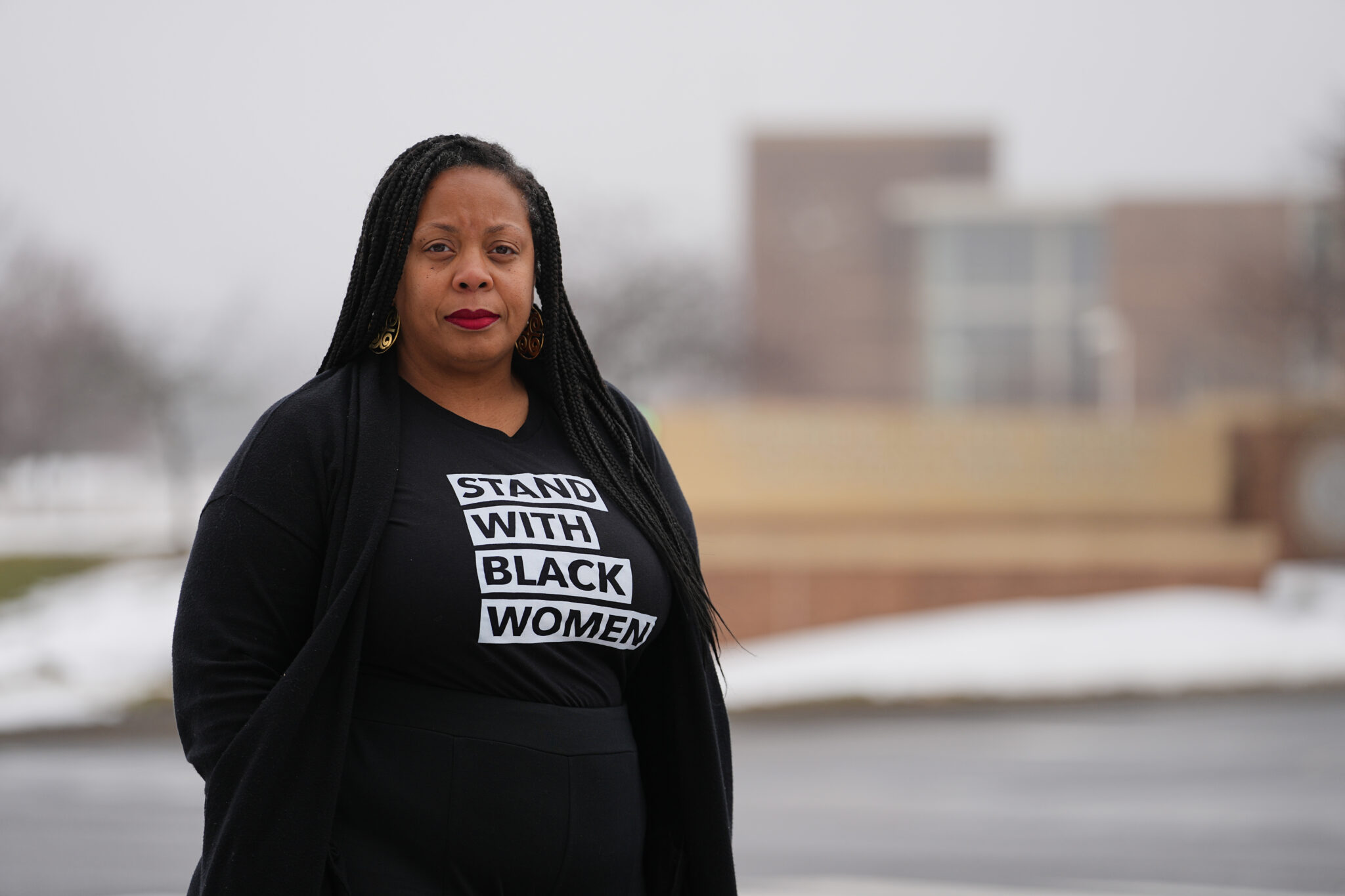
Long before I became President of the NAACP Bucks County Branch, I was a mother advocating for my children. I still am.
Families do not want to spend their time fighting school systems; they want their children to learn, grow, and feel safe. As federal enforcement retreats, Pennsylvania must ensure families have meaningful places to turn.
No parent should have to weigh whether to let their child suffer in silence. We all have a role to play in addressing race- and sex-based harassment. Together, by coming forward, even when our kids are not directly affected, we can enforce civil rights and ensure all children feel safe and welcome at school.