In homage to Frederick Douglass, a freed slave, and foundational Black American who has been recognized as one of the most photographed men of his time penned one of the most eloquent and powerful essays in American history in 1852 when he asked the important question, “What to the Slave is the Fourth of July?”
The 2026 version asks the question: What to the Foundational Black American is the 250th Celebration of American Independence?
The short answer: A hypocritical reminder that our nation has not lived up to the ideals outlined in our Declaration of Independence – for all people – and from the start, the path to freedom remains at arm’s length for today’s foundational Black Americans who continue to serve as the architects of the American conscience.
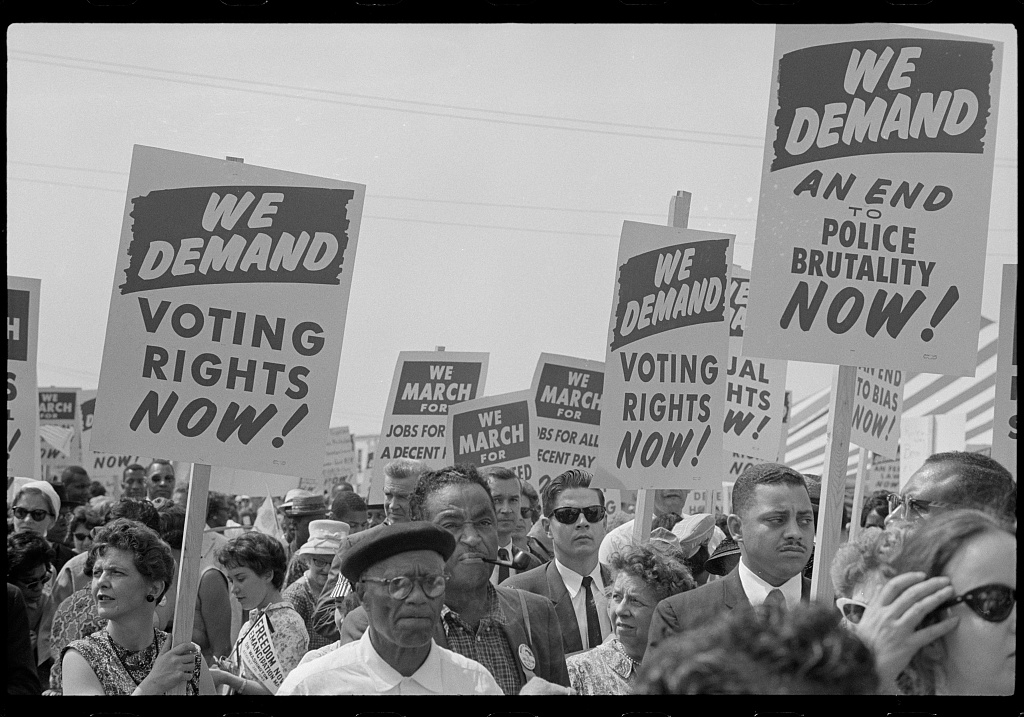
The Semiquincentennial commemoration forces us to reckon with our nation’s dark history of chattel slavery, a brief period of Reconstruction and representation, reparations denied, Black Codes, Jim Crow, lynchings and the 21st century roll back of civil and voting rights in America (of which we celebrate its 61st anniversary of becoming law on this day – August 6).
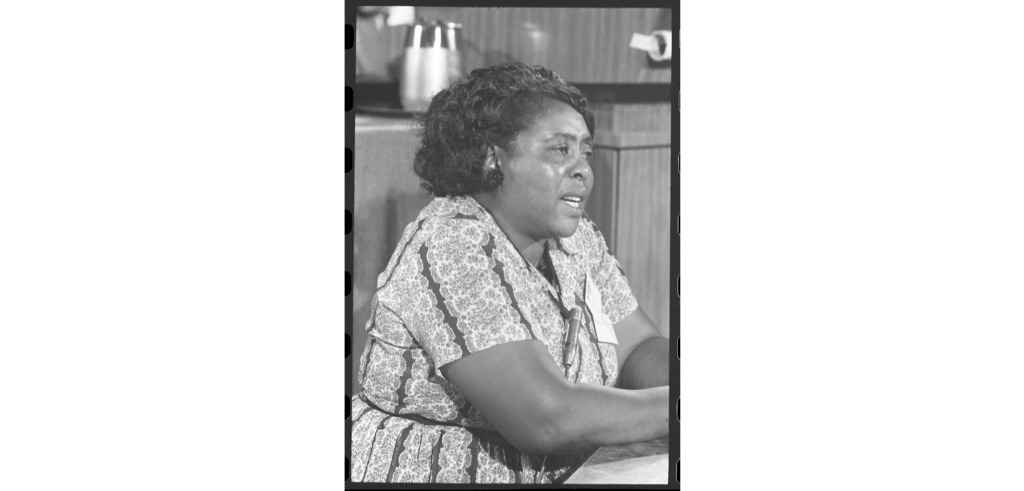
The incomparable civil and voting rights champion, Fannie Lou Hamer once proclaimed, “None of us are free, until all of us are free.” Born in 1917 to sharecroppers on a Montgomery County, Mississippi plantation. Hamer helped her family survive by picking cotton at the tender age of six. In her adult years, she suffered life altering beatings at the hands of law enforcement because she had the audacity to speak truth to power and register Black folks to vote in the South–only to be betrayed years later by the democratic process at a 1964 political convention, as she delivered her testimony recalling the activities of Freedom Summer. In the end, Hamer’s body succumbed to heart failure at the relatively young age of 59, but her spirit and life’s work remain for current generations to pick up the baton and run.
To foundational Black Americans such as Hamer, Medgar Evers, Dr. King, Harriet Tubman, and Ida B. Wells, one could assume that this year’s 250 year celebrations commemorating the end of British rule and gaining independence and freedom from King George wouldn’t carry much weight. The Bill of Rights and the aspirational words from this nation’s Founding Fathers (of which 41 of the 56 owned other humans, and kept them in bondage), did not bring independence or freedom to the historically oppressed and disenfranchised. If anything, the commemoration deepens the distrust and apathy, leaving oppressed people wondering if freedom and independence will ever find them.
Foundational Black Americans aren’t begging for inclusion; we’ve redefined what it means for a nation to be “free,” establishing the moral floor for the entire American experiment. The struggle for the American conscience continues, and in 2026 it’s at the door of southern statehouses. The recent U.S. Supreme Court decision in Louisiana v. Callais has effectively gutted Section 2 of the Voting Rights Act, allowing states to prioritize partisan gain over racial equity in redistricting. In Pennsylvania, the urgency to pass a State Voting Rights Act and codify Mixon v. Commonwealth is no longer theoretical. By removing barriers for justice-impacted individuals and ensuring that every voter can cast their ballot regardless of their past, Pennsylvania can lead the nation in protecting the multiracial democracy that Foundational Black Americans have spent more than 400 years building.
Although this year the nation celebrates 250 years of freedom, America has only been a functioning multi-racial democracy for 61 years. It has required Acts of Congress and Constitutional amendments for all Americans to experience democracy. We must secure a robust and inclusive democracy today so that the next 50 years are defined by the realization of freedom, and not the exclusion of our past. We must learn from our history or be doomed to repeat it. The legacy we leave for the Tricentennial depends on the courage we show this November at the ballot box.
What to the Foundational Black American is the 250th Celebration of American Independence?
An opportunity for reconciliation, reparations and repair – but only if we’re brave enough to operate in truths.